Cleanse & Exfoliate
 Serum & Treatments
 Moisturizing & Creams
 Masks & Peels
 Suncare

 Shampoo & Conditioner
 Hair Masks
 Scalp Care
 Hair Oil
 Hair Creams
 Hair Serums
 Gels & Waxes
 Heat Protection

 Body Wash
 Body Lotion
 Body Oil
 Body Scrub
 Hand & Foot Care
 Intimate Care
 Oral Care
 Deodorants

 Face
 Lips
 Eyes
 Makeup Tools
 Foundation
 Blush
 Mascara
 Lipstick

 Electrical
 Bath Loofahs
 Face Brushes
 Hair Brushes & Combs

 Skin Care Sets
 Hair Care Sets

 Korean Skin Care
 Korean Makeup
 Korean Hair Care
Does your face become red, itchy, or feel like it’s burning after you use certain skincare products? Your skin may be sensitive, or it may have been irritated by a product or environmental factors. Understanding your skin’s needs can help you choose a more suitable routine and avoid steps that may make you more uncomfortable.
In this guide from Dar Beauty, you’ll learn about the signs of sensitive skin and what causes irritation, how to choose a cleanser, moisturizer, and sunscreen, and practical steps for building a gentle daily routine that suits your skin’s needs.
Article Contents
- What Is Sensitive Skin?
- Signs of Sensitive Skin
- Causes of skin sensitivity and irritation
- The difference between sensitive skin and temporary irritation
- Daily skincare routine for sensitive skin
- How to choose products for sensitive skin
- Ingredients that may help care for sensitive skin
- Mistakes That Make Skin Irritation Worse
- What should you do when your skin is irritated?
- Examples of Products to Look For
- Frequently Asked Questions
What Is Sensitive Skin?
Sensitive skin tends to react unpleasantly to certain skincare products or environmental factors, with signs such as redness, itching, or stinging and burning sensations. This response may be related to a weakened skin barrier or a particular skin condition, and its severity varies from person to person.
Sensitive skin is not a separate type from the familiar skin types, such as oily, dry, and combination skin. Skin can be oily and sensitive, dry and sensitive, or combination and sensitive at the same time.
If you’re not sure what your skin type is yet, you can start by reading the guide How Do I Know My Skin Type?, then notice whether your skin reacts to specific products or conditions.
Signs of Sensitive Skin
Sensitivity does not look the same for everyone, but there are several signs that may indicate your skin reacts easily to certain products or environmental factors.
- Redness: This may appear after washing your face, using a certain product, or being exposed to heat.
- Itching or tingling: You may feel itchy or experience a stinging sensation after applying certain products.
- Burning: This may occur when you use a product your skin cannot tolerate.
- Dryness and tightness: Your skin may feel tight, especially after cleansing.
- Flaking: Flakes may appear when the skin is dry or irritated.
- Intolerance to certain products: You may notice that certain formulas repeatedly cause discomfort.
Causes of skin sensitivity and irritation
The skin can be affected by many factors, and the cause isn’t always the skin type itself. Some of the main factors that may increase irritation include:
1. A weakened skin barrier
The skin barrier helps reduce water loss and protect the skin from external factors. When this barrier is disrupted, the skin may become more prone to dryness, stinging, and discomfort.
2. Over-exfoliation
Overusing exfoliants or combining several potent products may increase dryness, redness, and irritation, especially when the skin doesn’t have enough time to recover.
3. Certain skincare ingredients
Some skin types may not tolerate fragrances, certain preservatives, harsh cleansers, or particular ingredients in skincare products. The reaction depends on the ingredient and its concentration, the product’s formula, and the individual’s response.
4. Environmental factors
Heat, sweating, wind, dry air, and sudden temperature changes may increase skin discomfort. In hot weather, using gentle products, a suitable moisturizer, and a sunscreen compatible with your skin may make your routine more comfortable.
5. Certain skin conditions
Sensitive skin symptoms may resemble those of conditions such as eczema, rosacea, and contact dermatitis. If redness or itching is persistent or recurring, don’t assume sensitivity is the only cause.
The difference between sensitive skin and temporary irritation
It’s important to distinguish between skin that reacts easily and repeatedly and irritation that appears after using a new product or over-exfoliating.
| Point of comparison | Sensitive skin | Temporary irritation |
|---|---|---|
| Pattern of occurrence | May recur with different irritants. | May begin after a particular product or procedure. |
| Possible causes | The skin’s response and factors related to its barrier or a skin condition. | For example, over-exfoliating or using an unsuitable product. |
| Initial approach | Reduce irritants and choose a gentle routine. | Stop using the suspected product and simplify your routine temporarily. |
This distinction is for guidance and not a medical diagnosis; an allergic reaction or dermatitis may require professional evaluation, especially if clear symptoms appear or the problem persists.
Daily skincare routine for sensitive skin
Sensitive skin doesn’t necessarily need a lengthy routine or many products. It’s best to start with the basic steps and monitor how your skin responds before adding other products.
Morning routine
- Gentle cleansing: Use a gentle cleanser that doesn’t leave your skin feeling tight or dry. Depending on your skin’s needs, rinsing your face with lukewarm water in the morning may be enough for some people.
- Moisturizing: Apply a moisturizer suited to your skin type to help reduce dryness and maintain comfort.
- Sun protection: Use a broad-spectrum sunscreen with SPF 30 or higher, choosing a formula your skin tolerates, and reapply according to the instructions and your sun exposure.
Evening routine
- Gently cleanse your face to remove dirt, sunscreen residue, and makeup.
- If you use a recommended treatment product that suits your skin, follow its instructions and avoid introducing several new active ingredients at the same time.
- Apply moisturizer to help reduce dryness and support the skin barrier.
If your skin is persistently dry or tight, you may find it helpful to read the article Dry Facial Skin: Causes and Treatments to understand the difference between dryness and other skin concerns.
How to choose products for sensitive skin
When choosing skincare products, don’t rely on the phrase “for sensitive skin” alone. Read the ingredient list, monitor your skin’s response, and choose products based on its actual needs.
Cleanser
Choose a gentle cleanser that suits your skin type and doesn’t leave it feeling very tight after washing. Avoid very hot water and harsh scrubbing, as they may worsen dryness and discomfort.
Moisturizer
Look for a moisturizer that helps retain moisture and leaves your skin feeling comfortable. Formulas with moisturizing and soothing ingredients may suit some people, but the right choice depends on your skin’s tolerance and the product’s formula.
Browse the moisturizers and creams collection at Dar Beauty to compare the available options based on your skin type and needs.
Sunscreen
Choose a broad-spectrum sunscreen with SPF 30 or higher. If some formulas cause stinging or redness, try a suitable alternative and monitor your skin’s response. A product labeled as suitable for sensitive skin may still cause a reaction in some people.
Serums and exfoliants
If your skin is easily irritated, don’t start using several serums or exfoliants at once. Introduce new products gradually, follow the directions for use, and avoid exfoliating when your skin is red, inflamed, or cracked.
Ingredients that may help care for sensitive skin
Skin responses to ingredients vary, so no list can guarantee that every product will suit everyone. However, some ingredients are commonly used in moisturizing products and products that care for the skin barrier.
| Ingredient | Role in skincare | What should you consider? |
|---|---|---|
| Glycerin | Helps attract water to the outer layer of the skin. | Used in a suitable moisturizing formula. |
| Ceramides | Help support the skin barrier and reduce moisture loss. | Choose a formula based on the degree of dryness and your skin’s needs. |
| Panthenol | Used in moisturizing and skincare products. | Responses may vary depending on the full formula. |
| Hyaluronic acid | Helps attract water and retain moisture. | It is best used as part of a suitable moisturizing routine. |
Remember that an ingredient that is generally beneficial may not suit everyone. A product’s suitability depends on its full formula, concentration, and how it is used, not just on one ingredient.
Mistakes that may worsen irritation in sensitive skin
- Washing your face with very hot water.
- Using exfoliants too often or scrubbing your skin too hard.
- Introducing several new products into your routine at once.
- Continuing to use a product that causes burning or noticeable redness.
- Trying unsuitable home remedies, such as applying lemon or irritating substances to your face.
- Neglecting to moisturize when your skin is dry or tight.
- Relying on fragrances or a product’s name instead of reading the ingredient list.
- Changing products repeatedly before finding out how your skin responds to each one.
What should you do when your skin is irritated?
If you notice redness or a burning sensation after using a new product, start with simple steps and pay attention to the severity of the symptoms.
- Temporarily stop using the suspected product, and gently wash it off if it is still on your skin.
- Temporarily avoid exfoliants and active ingredients that may worsen irritation.
- Use a gentle cleanser and a moisturizer you usually tolerate, and avoid rubbing your face.
- Do not try the product again if it caused a severe reaction or is suspected of causing an allergy.
- Seek medical advice if symptoms persist, recur, or worsen.
Examples of products to consider for sensitive skin
When looking for products for sensitive skin, it’s best to compare the formula, the product’s purpose, and your skin’s needs rather than relying on the brand name alone. Here are two examples of products available at Dar Beauty; they are not necessarily suitable for everyone.
1. QV Moisturising Cream for Sensitive Skin
A moisturizer for dry or sensitive skin. The product page states that it is free of fragrance, color, and lanolin. It may be an option to compare when looking for a rich formula that helps reduce moisture loss, though its texture may not suit those who prefer lightweight moisturizers.
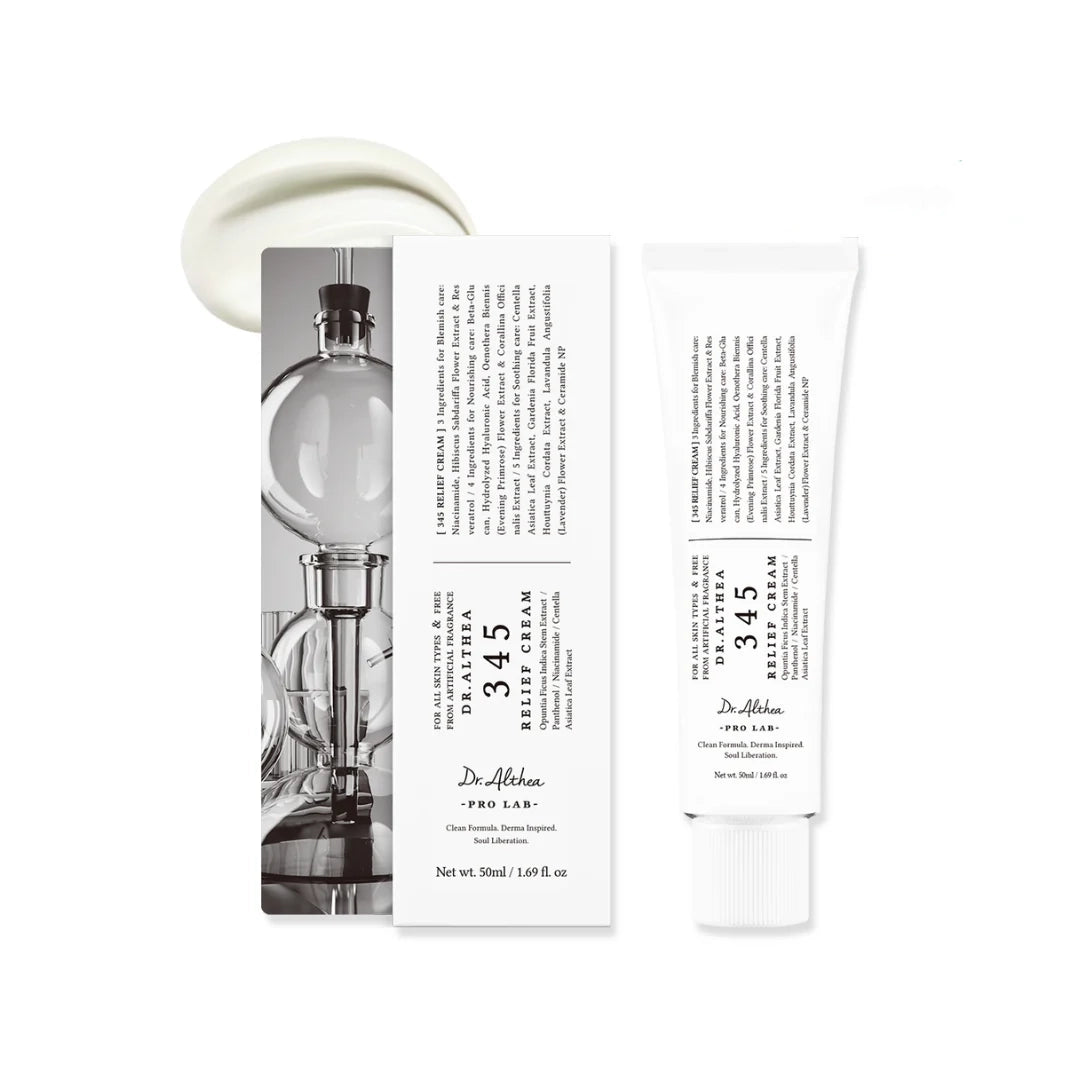
2. Dr. Althea 345 Relief Cream
A facial moisturizer formulated with hydrating ingredients and ingredients associated with skin barrier care, such as panthenol and ceramide. It may be an option to compare when looking for a daily moisturizer, but consider your skin’s needs and the product’s texture, and check its ingredient list before use.
You can also read Dar Beauty’s article Best Moisturizer for Sensitive, Acne-Prone Skin to learn more about the product, then visit the Dr. Althea 345 Cream page.
1. Sunscreen AXIS-Y Complete No-Stress Physical Sunscreen
The sunscreen is considered AXIS-Y Complete No-Stress Physical Sunscreen One option to consider when choosing sunscreen for sensitive skin, as it uses mineral filters for sun protection. However, skin responses vary from person to person, so it’s best to test the product on a small area before applying it to your entire face.
Learn more about AXIS-Y Complete No-Stress Physical Sunscreen.
Before purchasing any product, check its details and availability, and read the full ingredient list. If you have a known allergy to an ingredient, do not use the product just because it is intended for sensitive skin.
Frequently asked questions about sensitive skin
How do I know if I have sensitive skin?
You may notice recurring redness, itching, tingling, or burning after using certain products or exposure to particular factors. However, these signs are not a definitive diagnosis and may resemble symptoms of other skin conditions.
Is sensitive skin the same as dry skin?
No. Dryness is related to a lack of moisture in the skin, while sensitivity refers to the skin’s tendency to react to certain products or factors. Skin can be both dry and sensitive, or oily and sensitive.
What is the best moisturizer for sensitive skin?
There is no one moisturizer that suits everyone. Choose a formula that helps reduce dryness and that your skin tolerates, and check the ingredients before use. Dry skin may need a richer cream, while some people with oily skin prefer a lighter texture.
Can you use vitamin C on sensitive skin?
Some people with sensitive skin may tolerate vitamin C products, while certain formulations may cause stinging or irritation in others. If you want to use it, choose a product carefully and introduce it gradually. Avoid applying it to skin that is already irritated.
Can you exfoliate sensitive skin?
It depends on your skin’s condition, the type of exfoliant, and how you use it. Exfoliation is not recommended when skin is inflamed or irritated. You should also avoid over-exfoliating or combining several exfoliating products without proper guidance.
Are products labeled “for sensitive skin” safe for everyone?
No. This phrase does not guarantee that everyone will avoid a reaction. Skin can respond differently to ingredients and formulations, so it’s important to read the label, monitor your skin’s response, and stop using the product if a concerning reaction occurs.
When should you see a dermatologist?
If redness, itching, or burning is persistent or recurring, or if you develop a severe rash, swelling, or pain, it’s best to seek a medical evaluation to identify the cause and choose the right treatment.
In summary: How do you care for sensitive skin every day?
Caring for sensitive skin starts with understanding its needs and identifying factors that worsen irritation, then adopting a simple routine that combines gentle cleansing, moisturizing, and sun protection. Introducing new products gradually and avoiding excessive exfoliation can also help reduce the risk of discomfort.
Remember that a product that works for someone else may not necessarily suit your skin. Choose your products based on your skin’s needs and formulations, and seek medical advice if symptoms are severe or persistent.
Explore skincare products in the Dar Beauty skincare collection, and compare the available options before choosing what suits your routine.
To learn more about beauty and daily care, visit Dar Beauty for guides and articles that can help you make more informed decisions about skincare.