Cleanse & Exfoliate
 Serum & Treatments
 Moisturizing & Creams
 Masks & Peels
 Suncare

 Shampoo & Conditioner
 Hair Masks
 Scalp Care
 Hair Oil
 Hair Creams
 Hair Serums
 Gels & Waxes
 Heat Protection

 Body Wash
 Body Lotion
 Body Oil
 Body Scrub
 Hand & Foot Care
 Intimate Care
 Oral Care
 Deodorants

 Face
 Lips
 Eyes
 Makeup Tools
 Foundation
 Blush
 Mascara
 Lipstick

 Electrical
 Bath Loofahs
 Face Brushes
 Hair Brushes & Combs

 Skin Care Sets
 Hair Care Sets

 Korean Skin Care
 Korean Makeup
 Korean Hair Care
Looking for an ingredient that can help improve the appearance of pigmentation, dark spots, and uneven skin tone? Kojic acid is used in some skincare products that target pigmentation, but its effectiveness depends on the product’s formula, how it is used, and how well your skin tolerates it.
In this guide from Dar Beauty, you’ll learn about the benefits of kojic acid for the skin, how it works, how to use it, its potential side effects, and how it compares with some other skincare ingredients, so you can choose a routine that suits your skin’s needs without overusing active ingredients.
Quick summary
Kojic acid is an ingredient used in some skincare products to help reduce the appearance of pigmentation and dark spots. It may cause irritation or sensitivity in some people, so it’s best to introduce it gradually according to the product instructions, while using a suitable moisturizer and daily sunscreen. No single formula suits every skin type or every cause of pigmentation.
What is kojic acid?
Kojic acid is a compound produced during certain food fermentation processes. It is used in cosmetics because it can affect melanin production. Melanin is the pigment responsible for the color of the skin, hair, and eyes.
This ingredient is used in various formulas, such as serums, creams, some types of soap, and toner pads. Some products contain kojic acid along with other ingredients, such as niacinamide, turmeric, or exfoliating acids.
It’s important to know that a product containing kojic acid won’t necessarily give the same results as every other product. Formulas, concentrations, application methods, and skin contact times vary. So read the product instructions, and don’t base your choice on the ingredient name alone.
How does kojic acid work on the skin?
Kojic acid’s effect on pigmentation is linked to its inhibition of tyrosinase, an enzyme involved in melanin production. For this reason, it is used in some formulas that target the appearance of dark spots and uneven skin tone.
However, its effects depend on several factors, including the cause of the pigmentation, the product’s formula, how consistently it is used, and how well your skin tolerates it. Pigmentation is not a single condition; it may be related to acne marks, sun exposure, melasma, or other causes, and some cases may require medical evaluation.
What are the benefits of kojic acid for the skin?
1. Helping reduce the appearance of dark spots
Kojic acid is used in some skincare products designed for dark spots and uneven skin tone. Regular use of a suitable formula may help improve the appearance of some types of pigmentation. However, the degree of improvement varies from person to person, and complete disappearance of spots cannot be guaranteed.
2. Improve the appearance of dark acne marks
Spots that remain after pimples heal may be caused by post-inflammatory hyperpigmentation. In some cases, using a suitable product containing kojic acid as part of a balanced routine may help improve the appearance of these marks over time.
However, it’s important to distinguish between flat dark spots and indented or raised scars. These are different concerns, and kojic acid is not expected to address all types of acne marks.
3. Helping Even the Appearance of Skin Tone
When the issue is uneven skin tone or areas that are darker than the surrounding skin, kojic acid may be one ingredient to consider as part of a routine for pigmentation. Choosing the right product still depends on the cause of the uneven tone, skin condition, and tolerance.
4. Supporting a Skincare Routine for Dull Skin with Uneven Tone
Skin may look less radiant when its tone is uneven or it has dark spots. In this case, it may help to determine whether the issue is related to pigmentation, dryness, or texture before choosing a product.
If you’re mainly interested in understanding the causes of dullness and how to care for it, you can read Dar Beauty’s article on Causes of Dull Skin and How to Restore Its Radiance, because dull skin doesn’t always need a brightening product.
Who Is Kojic Acid Suitable For?
Kojic acid may be an option for some people looking to improve the appearance of pigmentation, but whether it’s suitable depends on the product, skin condition, and tolerance.
- Skin with dark spots: It may benefit from a suitable product that targets uneven skin tone, along with consistent sunscreen use.
- Skin with dark post-acne marks: It may be one option if the marks are flat areas of discoloration rather than scars.
- Sensitive skin: Requires extra caution, as kojic acid may cause irritation or sensitivity in some people.
- Dry or irritated skin: It’s best to address dryness and irritation first, and avoid adding a new ingredient to a routine that causes tightness or flaking.
If you have sensitive skin or use several active ingredients, it’s best to start with a simple formula and introduce one new product at a time. If dryness or flaking is a concern, you can read Dar Beauty’s article on Dry Facial Skin: Causes and Treatments.
How to Use Kojic Acid on Your Skin
How to use a product depends on its type and formulation, so follow the manufacturer’s instructions rather than applying one routine to all products. In general, you can follow these steps when using a product intended for the face:
- Start with a patch test: Test the product on a small area as directed, and watch for redness, itching, or irritation before using it on your entire face.
- Cleanse your skin gently: Use a suitable cleanser, and avoid rubbing your face vigorously or applying the product to cracked or irritated skin.
- Apply the product as directed: The amount and frequency of use vary depending on whether the product is a serum, cream, or toner pads.
- Use a suitable moisturizer: Moisturizing helps support the skin barrier and reduce feelings of dryness.
- Use sunscreen in the morning: Choose a broad-spectrum sunscreen with an appropriate SPF, and follow its instructions for reapplication based on sun exposure.
- Monitor your skin’s response: If persistent irritation, itching, or noticeable redness occurs, stop using the product and seek medical advice if needed.
Don’t start using several new products containing active ingredients at the same time, as this can make it difficult to identify the cause if irritation occurs. Using more product or applying it more often than directed doesn’t necessarily lead to better results.
Potential harms and side effects of kojic acid
Some people may tolerate products containing kojic acid, while others may experience side effects, especially when using an unsuitable formula or overusing it.
Potential side effects
- Skin redness or a stinging sensation.
- Dryness, flaking, or a feeling of tightness.
- Itching or irritation.
- Allergic contact dermatitis in some people.
If noticeable or persistent irritation occurs, stop using the product. If you experience swelling, a severe rash, or a worsening reaction, seek medical evaluation. Don’t use the product again if you suspect it caused an allergic reaction before consulting a professional.
Can it increase pigmentation instead of reducing it?
Inflammation or irritation caused by an unsuitable product may worsen pigmentation in some people, especially those whose skin tends to leave dark marks after inflammation. So don’t continue using a product despite burning or severe redness because you think it means the product is working.
Is it suitable for daily use?
This depends on the product’s formulation, the manufacturer’s instructions, and your skin’s tolerance. Not all products containing kojic acid are suitable for daily use, especially if they also contain exfoliating acids or other active ingredients.
Can kojic acid be used with other ingredients?
Combining ingredients depends on the full formulations of the products and your skin’s condition. Some commercial products may already contain more than one ingredient targeting pigmentation, but that doesn’t mean you need to add other products on top of them.
| Ingredient | Its role in a skincare routine | What should you look out for? |
|---|---|---|
| Niacinamide | It is used to support the skin barrier and improve the appearance of uneven skin tone. | Check the full ingredient list, and don’t add several new products at the same time. |
| Vitamin C | It is included in products targeting radiance and the appearance of pigmentation. | Tolerance may vary depending on the formula and its concentration. |
| Exfoliating acids such as glycolic and salicylic acid | It is used in products targeting exfoliation, pores, or skin texture. | Combining several exfoliating products may increase dryness and irritation. |
| Retinol or retinal | It is used in routines targeting various skin concerns, depending on the formula. | It’s best not to introduce several new ingredients at once, and to consider your skin’s tolerance. |
If you already use niacinamide, you can read the article What Is Niacinamide? Its Benefits and How to Use It to learn about its role and how to incorporate it into a balanced routine.
The most important rule is that you don’t need to combine ingredients just to increase the number of active ingredients. If your skin is sensitive or you use an exfoliant or retinoid, it may be better to separate some products or stick to a simpler formula, following the product instructions and considering your skin’s tolerance.
How to Choose the Right Kojic Acid Product
Choosing a product isn’t just about whether it contains kojic acid; it also depends on its intended use, other ingredients, and how it’s used. Before buying, consider the following:
- Set your goal: Do you want to improve the appearance of dark spots, acne marks, or uneven skin tone in general?
- Read the ingredient list: Check whether the product contains exfoliating acids or other active ingredients that may affect your skin’s tolerance.
- Choose the right product format: Serums, creams, and toner pads differ in how they’re used and how long they stay in contact with the skin.
- Consider your skin’s sensitivity: If your skin is easily irritated, choose a simple routine and avoid introducing several active products at once.
- Don’t neglect moisturizer and sunscreen: They are important parts of a skincare routine for skin with hyperpigmentation.
- Don’t rely on marketing claims alone: Check the usage instructions and product ingredients, and don’t expect guaranteed or immediate results.
Kojic Acid-Related Products at Dar Beauty
If you’d like to explore products containing kojic acid or other ingredients that target uneven skin tone, here are some options available on the Dar Beauty platform. These are examples for comparison, not a recommendation that one product suits everyone; the right choice depends on your skin’s needs and tolerance.
1. Medicube Kojic Acid Turmeric Niacinamide Serum
According to the product description, this serum combines kojic acid, niacinamide, and turmeric, and is marketed to improve the appearance of dark spots and uneven skin tone. Check the ingredient list and usage instructions on the product page, especially if you already use exfoliating acids or other active ingredients.
View Medicube Serum containing kojic acid
2. Medicube Kojic Acid Turmeric Toner Pads
According to the published ingredient list, these pads contain kojic acid, niacinamide, and glycolic acid, along with other ingredients. Since they combine more than one active ingredient, it’s important to follow the product instructions and avoid casually combining them with additional exfoliants.
View Medicube Kojic Acid Turmeric Toner Pads
3. EQQUALBERRY Vitamin Illuminating Serum
If you’re comparing different ingredients for uneven skin tone, you can learn more about this serum, which contains niacinamide, arbutin, and other ingredients aimed at improving the appearance of dark spots, according to the product description. It’s an option to compare, not an exact substitute for a product containing kojic acid.
View EQQUALBERRY Vitamin Illuminating Serum
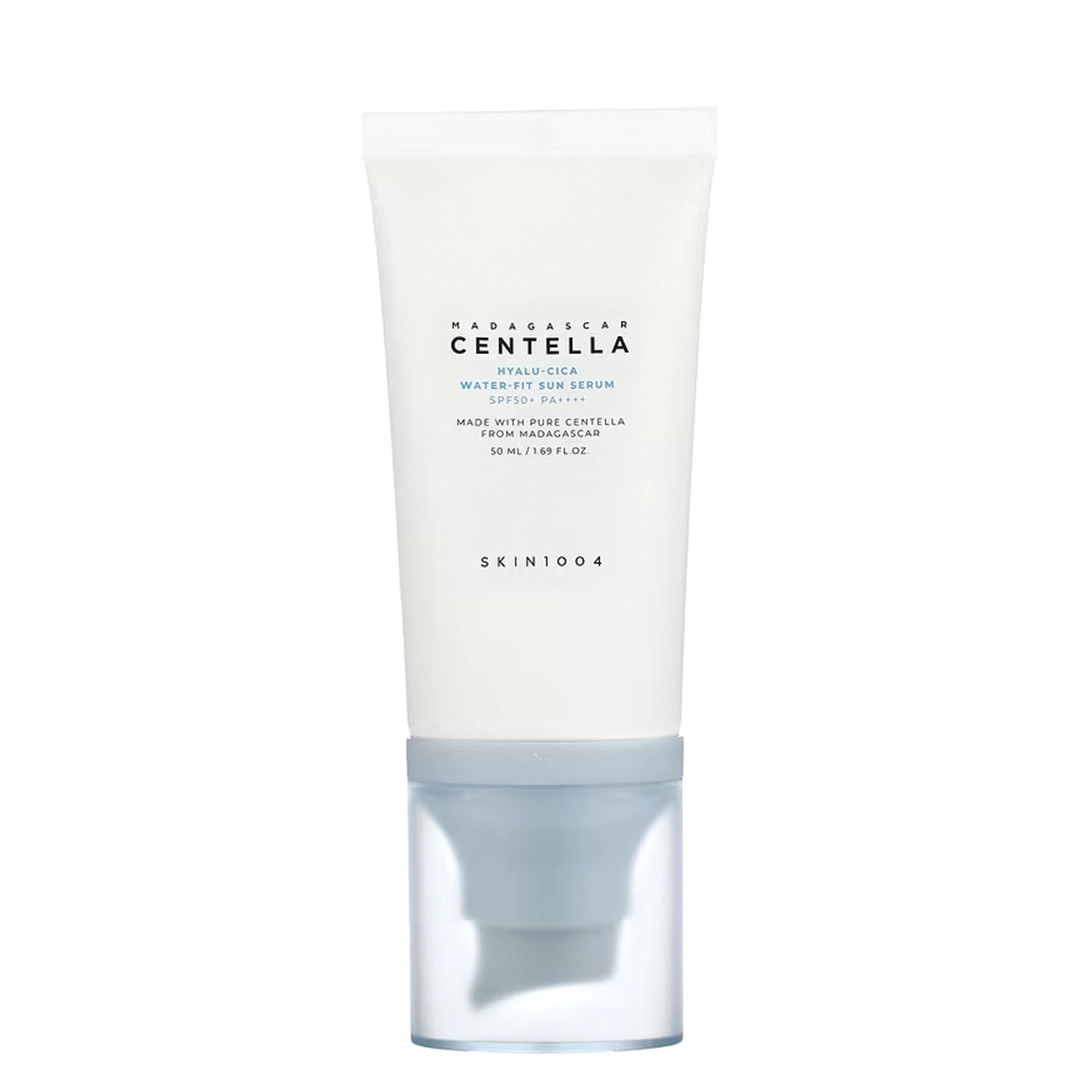
4. SKIN1004 Hyalu-Cica Water-Fit Sun Serum sunscreen
Since sun protection is an important step in a skincare routine for skin with hyperpigmentation, you can check out this sunscreen, which has an SPF of 50+ according to the product page. Choose a sunscreen that suits your skin and that you can use regularly, applying the appropriate amount and reapplying according to the instructions and sun exposure.
View SKIN1004 Hyalu-Cica Water-Fit Sun Serum sunscreen
You can also explore the skincare section at Dar Beauty to compare the available options, checking product details and availability before purchasing.
Frequently asked questions about kojic acid for skin
Does kojic acid permanently remove pigmentation?
Kojic acid cannot be guaranteed to remove pigmentation permanently. It may help improve the appearance of some dark spots, but results depend on the cause of the pigmentation, the product’s formulation, consistent use, and sun protection.
When do kojic acid results appear?
The time it takes varies depending on the type of pigmentation, the product, and your skin’s response. Don’t expect results within just a few days, and follow the product’s directions. If the issue doesn’t improve or gets worse, consider consulting a dermatologist.
Is kojic acid suitable for sensitive skin?
Some sensitive skin types may tolerate certain products containing it, but the acid can cause irritation or sensitivity in some people. It’s best to patch-test the product first, follow its directions, and stop using it if noticeable irritation occurs.
Can you use kojic acid every day?
That depends on the product, its formulation, and the manufacturer’s directions. Products containing kojic acid should not all be used in the same way, especially if they also contain exfoliating acids.
Can you use kojic acid with niacinamide?
The two ingredients may be combined in one formulation, as they are in some commercial products. But if you’re using two separate products, check the full ingredient lists and introduce them gradually to assess your skin’s tolerance, rather than adding several new products at once.
Is kojic acid better than vitamin C?
No ingredient is best for everyone. Kojic acid and vitamin C differ in how they work, the formulations available, and how well skin tolerates them. The choice depends on the type of pigmentation, your skin’s needs, and the rest of your routine, not just a general comparison of the two ingredients.
Can you use kojic acid soap instead of serum?
Not necessarily; soaps and serums differ in formulation, how they are used, and how long they stay in contact with the skin. Don’t assume the two products will give the same results. Follow each product’s directions and stop using it if it causes irritation.
Should you use sunscreen with kojic acid?
Using sunscreen daily is recommended when caring for pigmentation, because exposure to ultraviolet rays may increase uneven skin tone or make spots harder to manage. Choose a broad-spectrum sunscreen and reapply it according to the directions and your sun exposure.
Bottom line: Is kojic acid worth trying?
Kojic acid may be worth considering when looking for an ingredient that can help improve the appearance of pigmentation and dark spots, but it is not a guaranteed solution for every case. Whether it is suitable depends on the cause of the pigmentation, the product’s formulation, and your skin’s tolerance.
Start with a simple routine, introduce the product gradually according to its directions, and use a suitable moisturizer and sunscreen regularly. Avoid randomly combining several active ingredients, especially if your skin is sensitive or irritated.
To choose products that suit your skin’s needs, you can visit Dar Beauty and explore the available skincare options, reviewing the ingredients and directions for use before purchasing.