Cleanse & Exfoliate
 Serum & Treatments
 Moisturizing & Creams
 Masks & Peels
 Suncare

 Shampoo & Conditioner
 Hair Masks
 Scalp Care
 Hair Oil
 Hair Creams
 Hair Serums
 Gels & Waxes
 Heat Protection

 Body Wash
 Body Lotion
 Body Oil
 Body Scrub
 Hand & Foot Care
 Intimate Care
 Oral Care
 Deodorants

 Face
 Lips
 Eyes
 Makeup Tools
 Foundation
 Blush
 Mascara
 Lipstick

 Electrical
 Bath Loofahs
 Face Brushes
 Hair Brushes & Combs

 Skin Care Sets
 Hair Care Sets

 Korean Skin Care
 Korean Makeup
 Korean Hair Care
Combination Skin Care: Daily Routine and Choosing Products
Combination skin needs care that accounts for the different needs of the face; the forehead, nose, and chin may appear oilier, while the cheeks may be normal or dry. Choosing the right products isn’t just about reducing oil, but also about gently cleansing the skin, maintaining its moisture, and using products that suit its actual needs.
In this guide, you’ll learn how to care for combination skin in the morning and evening, how to choose a cleanser, moisturizer, serum, and sunscreen, and which common mistakes to avoid to keep your skin balanced.
To learn about the available skincare products, visit Dar Beauty and explore options that suit your skin’s needs.
Article contents
What is combination skin?
Combination skin is a skin type that combines more than one condition on the face. Oil production is often higher on the forehead, nose, and chin, known as the T-zone, while the cheeks are less oily and may tend to be dry or sensitive.
You may notice shine in the center of your face along with tightness in your cheeks, or clogged pores on your nose and dryness in some areas. These signs vary from person to person, so it’s best to observe your skin’s needs rather than rely on a one-size-fits-all description.
If you’re unsure about your skin type, refer to the guide to identifying your skin type to learn about the differences between the various skin types.
Morning skincare routine for combination skin
A morning routine aims to cleanse your skin without stripping away its moisture, then moisturize and protect it from the sun. You don’t need a large number of products; what matters most is choosing suitable products and using them consistently.
1. Cleanse your skin with a gentle cleanser
Choose a cleanser that removes oil and impurities without leaving your skin feeling tight or dry. If your nose and forehead are oily, that doesn’t mean you need to use a strong cleanser on your entire face.
Browse Dar Beauty’s collection of facial cleansers to find a formula that suits your skin’s needs. Check the product description and instructions before choosing, as not every cleanser is suitable for all combination skin types.
Wash your face with lukewarm water, and avoid vigorous scrubbing or washing repeatedly to get rid of shine, as this may increase dryness and irritation.
2. Use a serum based on your skin’s needs
Serum is an optional step and can be skipped if your cleanser, moisturizer, and sunscreen meet your skin’s needs.
- For hydration: You can choose a serum containing hyaluronic acid to help attract water to the skin. Learn more in the article Hyaluronic Acid for Skin: Benefits and How to Use It.
- To help care for oily-looking skin: Niacinamide may suit some combination skin types. Read the guide Niacinamide for Skin: Benefits and How to Use It to learn how to add it to your routine.
- For dull-looking skin: You can consider ingredients that target a brighter-looking complexion, while taking your other products into account.
Start with one product at a time, and monitor your skin’s response before adding more products.
3. Moisturize
Combination skin needs hydration even when the forehead and nose are oily. Choose a lightweight moisturizer that doesn’t leave an unpleasant greasy feel while providing enough hydration for areas prone to dryness.
One of the options available at Dar Beauty is COSRX Oil-Free Ultra-Moisturizing Lotion, which the product page describes as suitable for all skin types, especially oily and combination skin.

You can also check out Neutrogena Hydro Boost Water Gel, which the product page describes as suitable for combination skin and providing hydration with a lightweight gel texture.

These are examples for comparison, not recommendations that either product suits everyone; check the ingredient list and product description, and choose what meets your needs.
You can apply a little more to your cheeks if they’re drier, and an appropriate amount to your T-zone according to your skin’s needs. You don’t need to use a different moisturizer for each area as long as one product suits your whole face.
4. Apply sunscreen
Apply a broad-spectrum sunscreen with SPF 30 or higher, and choose a texture that suits your skin and is easy to use every day. If you dislike a greasy feel, a lightweight or fluid texture may be more comfortable for you.
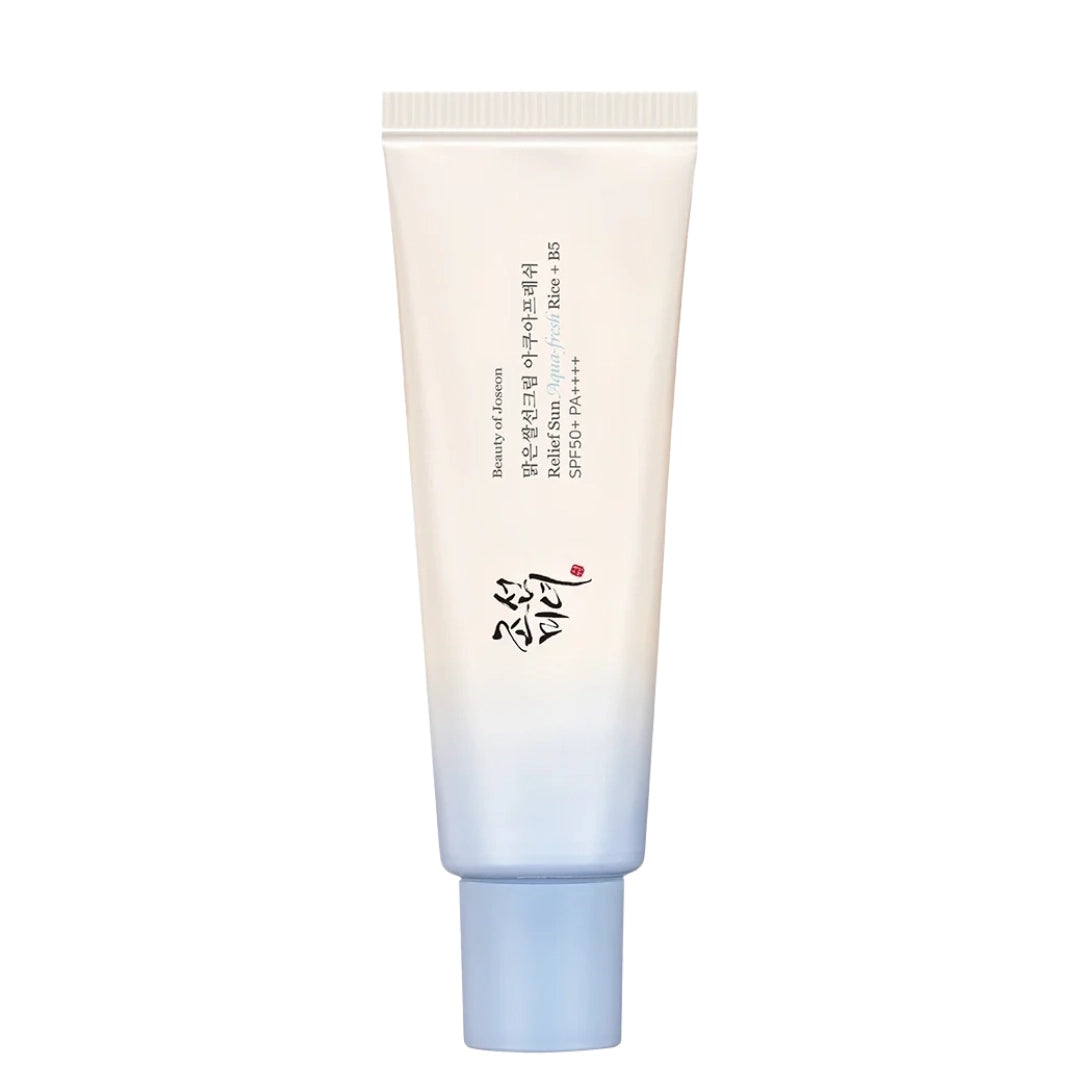
You can check out Beauty of Joseon Relief Sun Aqua Fresh SPF50 sunscreen, which the product page describes as suitable for combination, oily, and dry skin, with a lightweight, fast-absorbing texture.

Follow the package instructions for how much to use and how often to reapply, especially when exposed to the sun or sweating. Don’t skip sunscreen, even on days when the sun doesn’t seem strong.
Evening skin care routine for combination skin
An evening routine helps remove sunscreen, makeup, and impurities accumulated throughout the day, then supports skin hydration. It can be as simple as your morning routine.
1. Remove sunscreen and makeup
If you wear makeup or water-resistant sunscreen, you may need a product specifically designed to remove it before cleansing, as long as it’s suitable for your skin and doesn’t cause irritation. You can explore suitable options in Dar Beauty’s cleanser collection.
2. Washing your face gently
Use a gentle cleanser to remove residue after taking off makeup and sunscreen. Avoid very hot water and rubbing with a towel, and gently pat your face dry.
3. Using a treatment when needed
If you have a specific concern, such as clogged pores or pimples, a product with an ingredient suited to that concern may help. But don’t add several active ingredients at once, and don’t use exfoliants daily just because your T-zone is oily.
You can learn about using salicylic acid for skin, its benefits, and how to use it if your main concern is clogged pores. Keep in mind that this ingredient may cause dryness or irritation for some people when overused.
Choose a product based on the concern you want to address, and follow its instructions. If you experience persistent itching or burning, or severe peeling, stop using the product causing it and consult a specialist if needed.
4. Applying moisturizer
Finish your routine with a suitable moisturizer. If your cheeks are drier than the rest of your face, you can apply a little extra there. If a light layer across your whole face feels comfortable, there’s no need to complicate your routine.
How do you choose the right products for combination skin?
Choosing the right products is more important than adding more steps. Start with the essentials, then add a treatment product when you have a clear need for it.
| Product | What should you look for? | What should you avoid? |
|---|---|---|
| Cleanser | Gentle cleansing suitable for combination skin. | Harsh cleansing that causes tightness and dryness. |
| Moisturizer | Comfortable hydration that doesn’t feel heavy on the skin. | Choosing a product that doesn’t suit your skin’s needs just because it’s formulated for oily or dry skin. |
| Serum | An ingredient that addresses a specific need, such as hydration. | Using several similar serums without a need. |
| Sunscreen | Broad-spectrum protection and a texture that’s easy to use every day. | Skipping sun protection because some areas of the face are oily. |
Does combination skin need products specifically formulated for it?
Not necessarily. You can use products labeled as suitable for normal, oily, or sensitive skin if their formulas meet your skin’s needs and don’t cause dryness or irritation. The most important thing is to notice how your skin responds to the product rather than relying only on the label.
How do you manage differences across areas of your face?
If your forehead and nose are shinier while your cheeks are dry, start with a simple routine that works for your face overall. Then adjust how you use the products as needed, such as applying a little extra moisturizer to dry areas or using a spot treatment where needed, if the product instructions allow.
Avoid trying many products at the same time so you can tell which product suits you or causes a problem.
Common mistakes in caring for combination skin
- Neglecting moisturizer: Combination skin needs moisturizing even when the T-zone is shiny.
- Using a harsh cleanser: A tight feeling after washing doesn’t mean your skin is cleaner.
- Over-exfoliating: Too many exfoliants may cause irritation and dryness, especially when combining several active ingredients.
- Changing products constantly: Switching products too quickly makes it harder to evaluate their results.
- Following an unnecessarily long routine: More steps don’t necessarily mean better skincare.
- Skipping sunscreen: Daily protection is an essential part of a skincare routine.
Does hot, humid weather affect combination skin?
Hot, humid weather may make some people feel oilier and sweatier, while air conditioning or frequent washing may leave others feeling dry. So, monitor your skin’s needs throughout the seasons and choose product textures that feel comfortable without skipping moisturizer or sunscreen.
Frequently asked questions about caring for combination skin
What’s the best daily routine for combination skin?
A morning routine can include a gentle cleanser, moisturizer, and sunscreen, with a serum added if needed. In the evening, remove makeup and sunscreen if you’ve used them, then wash your face and apply moisturizer. Add a suitable treatment if you have a specific concern.
Does combination skin need moisturizer every day?
Yes, moisturizing helps support the skin barrier and reduce the feeling of dryness. Choose a moisturizer that suits your needs, and adjust the amount based on the different areas of your face.
Can oily-skin products be used on combination skin?
Some can be used if their formulas are suitable, but strong products designed to control oil may dry out less oily areas. Monitor your skin’s response and choose products that balance cleansing and moisturizing.
How long does it take for a skincare routine to show results?
The time it takes varies depending on the product, the concern being targeted, and how consistently it’s used. You may notice improved hydration quickly, while concerns like blemishes or dark spots may take longer. Follow the product instructions, and don’t increase how often you use it to try to speed up results.
Summary
Caring for combination skin relies on a simple, balanced routine: gentle cleansing, suitable moisturizing, and daily sunscreen, with serums or treatments added according to your skin’s actual needs. You don’t need to use lots of products or dry out oily areas; instead, choose what suits your face and monitor how it responds over time.
Start with the basics, change one step at a time, and remember that a successful routine is one that suits your skin and that you can stick with.
You can explore more skincare options and compare products by visiting Dar Beauty, and choose what suits your skin’s needs after reviewing the product descriptions and ingredients.
```