Cleanse & Exfoliate
 Serum & Treatments
 Moisturizing & Creams
 Masks & Peels
 Suncare

 Shampoo & Conditioner
 Hair Masks
 Scalp Care
 Hair Oil
 Hair Creams
 Hair Serums
 Gels & Waxes
 Heat Protection

 Body Wash
 Body Lotion
 Body Oil
 Body Scrub
 Hand & Foot Care
 Intimate Care
 Oral Care
 Deodorants

 Face
 Lips
 Eyes
 Makeup Tools
 Foundation
 Blush
 Mascara
 Lipstick

 Electrical
 Bath Loofahs
 Face Brushes
 Hair Brushes & Combs

 Skin Care Sets
 Hair Care Sets

 Korean Skin Care
 Korean Makeup
 Korean Hair Care
Face moisturizers vary in texture and formula. Some come as rich creams, others as lightweight gels, while some have a liquid lotion or gel cream texture. These differences can affect how a product feels, how it spreads, and how well it suits your skin's needs.
In this article from Dar Beauty, you'll learn about the different types of face moisturizers, the differences between cream, gel, lotion, and gel cream, and how to choose the right texture for your skin without relying on feel alone.
What's the difference between cream, gel, and lotion?
Face moisturizers vary in texture and formula, especially in the types of water-based and oil-based ingredients they contain. This affects the moisturizer's feel, how easily it spreads, and the sensation it leaves on the skin.
1. Face Cream (Cream)
Face cream typically has a medium to thick texture and contains a blend of water and oily ingredients in proportions that vary by product. It comes in lightweight and richer formulas to suit different needs.
Benefits of face cream:
- Provides a rich moisturizing feel, depending on its formula.
- May help reduce water loss from the skin's surface.
- Available in lightweight and richer formulas.
- May suit skin that is dry or needs extra moisture.
When should you choose a cream?
You can choose a cream when your skin feels dry or tight, or when you need a richer formula. This does not mean all creams are heavy; some have a lightweight texture suitable for combination or oily skin.
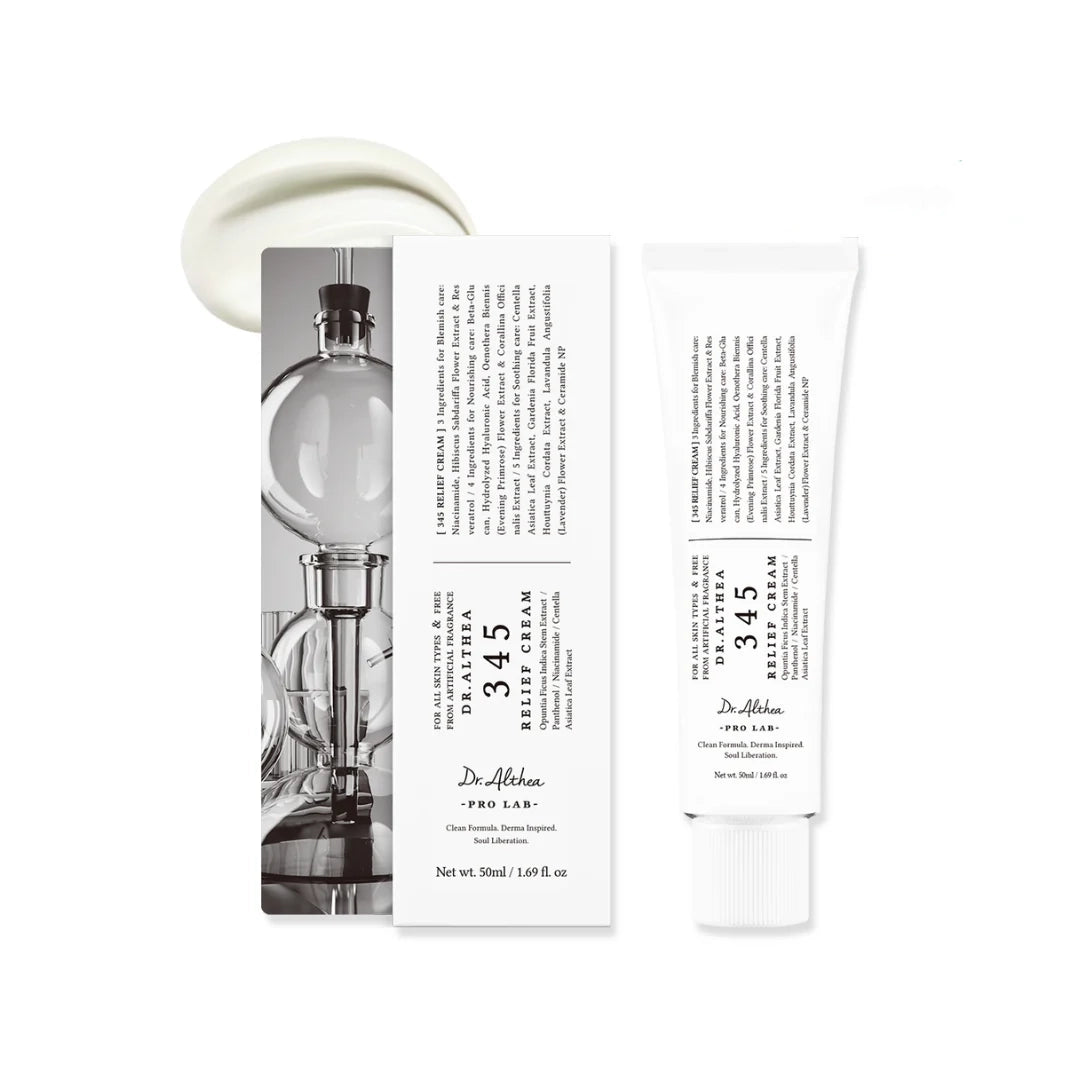
One example of a product available at Dar Beauty is Dr. Althea 345 Relief Cream, a lightweight gel cream containing niacinamide and panthenol. The product page states that it provides moisture without a heavy or greasy feel.

2. Face Gel (Gel)
Gel typically has a light, water-based texture and spreads easily over the skin. Some people prefer it because it usually does not leave the rich or heavy feel that some creams can.
Benefits of face gel:
- Lightweight and easy to spread.
- May feel refreshing when applied.
- Suitable for those who prefer non-greasy formulas.
- Some formulas contain moisturizing ingredients such as glycerin and hyaluronic acid.
When should you choose a gel?
A gel may be a good choice if you prefer lightweight moisturizers, especially if your skin is oily or you find richer formulas uncomfortable. However, some gels may not provide enough moisture on their own for very dry skin.
One example of a gel available at Dar Beauty is Neutrogena Hydro Boost Water Gel. You can visit the product page to learn more about its formula and how to use it.

3. Face Lotion (Lotion)
Lotion is a moisturizing formula with a liquid or relatively light texture that spreads easily over the skin. How light or rich it feels depends on the ingredients and the proportions of water and oils in the formula.
Benefits of lotion:
- Easy to apply and spread.
- Lightweight formulas are available for everyday use.
- May suit those who prefer not to use thick creams.
- Its formula and level of hydration vary from product to product.
When should you choose lotion?
Lotion may be a suitable choice if you’re looking for an easy-to-spread formula with a lightweight texture. If your skin is very dry, however, you may need a richer formula.
One lotion available at Dar Beauty is CeraVe Moisturizing Lotion. Visit the product page for details and ingredients.

Comparison of cream, gel, and lotion
| Comparison point | Cream | Gel | Lotion |
|---|---|---|---|
| Texture | Usually medium to thick | Usually lightweight | Liquid or relatively lightweight |
| Feel | May be rich | Usually refreshing and lightweight | Spreads easily |
| Use | When richer hydration is needed | For those who prefer a lightweight texture | For those who prefer easy application |
| Choice | Depends on the formula, your skin’s needs, and how well your skin tolerates the product. | ||
What is gel cream, and how does it differ from cream and gel?
Gel cream is a type of moisturizer that combines the properties of gel and cream. It typically has a lighter texture than traditional cream while providing a moisturizing feel that may be richer than some gels.
Benefits of gel cream:
- Combines a lightweight texture with a moisturizing feel.
- Formulas are available for those who prefer a lightweight feel.
- May suit combination or oily skin, depending on the formula.
- Its level of hydration varies from product to product.
One example is Purito Oat-In Calming Gel Cream, a gel moisturizer containing oat seed water, squalane, and panthenol. The product page states that its formula is fragrance-free and suitable for sensitive skin.

Is gel cream better than cream or gel?
There is no one best type for everyone; the choice depends on your skin’s needs. Gel cream may suit those who prefer a medium-weight texture, while very dry skin may need a richer cream, and some oily skin types may prefer a lightweight gel.
Which texture suits each skin type?
Skin type can help guide your choice of moisturizer, but there is no fixed rule that applies to everyone. Your skin’s needs, the product’s formula, and how well your skin tolerates it are also key factors.
Oily skin
Oily skin may prefer lightweight moisturizers, such as certain gels or gel creams, especially if heavy products feel uncomfortable. Find more tips in our article Oily Skin: Causes of Excess Oil and Proper Care.
Dry skin
Dry skin may need a richer cream, especially when it feels tight, rough, or flaky. Learn more about the causes of dryness and how to manage it in our article Dry Facial Skin: Causes and Treatment.
Combination skin
Combination skin has oily areas and dry areas, so a gel cream or lightweight cream may suit it, depending on its needs. Read the article Combination Skin Care: Daily Routine and Choosing Products to learn how to address the different needs of areas of the face.
Sensitive skin
For sensitive skin, what matters most isn’t whether you choose a gel or a cream, but whether your skin can tolerate the simple formula. If needed, it may be helpful to choose a fragrance-free moisturizer and test it on a small area first. Also read the article Sensitive Skin: Causes, Signs, and Daily Care.
Normal skin
Normal skin can use a cream, gel, or lotion depending on the product’s texture, the skin’s needs, and the weather. There’s no need to choose a heavy formula if your skin feels comfortable and isn’t dry.
How do you choose the right face moisturizer?
After learning about the types of face moisturizers, you can follow these steps to find the product that best suits your skin’s needs:
1. Identify your skin’s needs
Do you experience dryness or tightness? Does your skin feel oilier after using moisturizer? Does your skin get irritated easily? Answering these questions can help you determine which texture may be more suitable.
2. Read the ingredient list
It’s not enough to look at a product’s name or texture; it’s also important to know what ingredients it contains. Common ingredients in moisturizers include:
- Glycerin: Helps draw water into and retain it in the outer layer of the skin.
- Hyaluronic acid: Helps draw water to the skin’s surface.
- Ceramides: Support the skin barrier and help reduce moisture loss. You can also read the article Ceramides for Skin: Benefits and How to Use Them.
- Urea: Helps hydrate and soften the skin, with effects depending on its concentration and formula. Learn more in the article Urea for Skin: Benefits, Suitable Concentrations, and How to Use It.
- Emollient ingredients: Help soften the skin and improve its texture.
- Occlusive ingredients: Help reduce water loss from the skin’s surface.
3. Choose a product designed for the face
Some products are designed for the body and may be thicker than formulas intended for the face. Check the recommended use on the packaging, especially if your skin is prone to clogged pores.
4. Monitor your skin’s response
After using a moisturizer, notice whether your skin feels comfortable and hydrated, or whether you see excess shine, irritation, or discomfort. If the product doesn’t suit you, you may need to try a different formula.
Does climate and air conditioning affect your choice of face moisturizer?
Weather and environmental conditions can affect the skin’s moisturizing needs. In hot weather, some women may prefer lightweight formulas that don’t feel greasy, while continuous exposure to air conditioning may leave some people’s skin feeling dry.
In Saudi Arabia and Oman, skin needs may vary between hot outdoor conditions and air-conditioned indoor environments. However, this doesn’t mean that all women in the same climate need the same type of moisturizer; it depends on skin type, degree of dryness, and how well the skin tolerates the product.
Common mistakes when choosing face moisturizers
- Believing cream is unsuitable for oily skin: Some lightweight creams can suit oily skin, and you shouldn’t judge a product by its name alone.
- Believing gel provides enough moisture for every skin type: Some gels may not be moisturizing enough for very dry skin, so it’s important to consider your skin’s actual needs.
- Choosing a moisturizer based on texture alone: Texture matters, but it doesn’t reveal all of a product’s properties or ingredients.
- Using body moisturizer on the face without checking whether it’s suitable: Not all body formulas are suitable for the face, especially for skin prone to clogged pores.
- Changing moisturizers frequently: Switching products often can make it difficult to tell which formula suits your skin. It’s best to evaluate a product and observe how your skin responds, unless signs of irritation mean you should stop using it.
Frequently asked questions about types of face moisturizers
What is the difference between face cream, gel, and lotion?
Each type differs in texture and formulation: cream is generally thicker, gel is usually lighter, while lotion has a liquid or relatively lightweight texture. These properties vary from product to product.
Which is better for oily skin: cream or gel?
Gel may be a suitable option for oily skin that prefers lightweight textures, but lightweight creams can also be suitable. The most important thing is to choose a formula that won’t clog pores and provides the needed moisture.
Is lotion suitable for moisturizing the face?
Yes, if it is designed for the face and its formula suits your skin’s needs. How lightweight and moisturizing it is depends on the ingredients used.
What is the difference between gel and gel cream?
Gel usually has a lightweight, watery texture, while gel cream combines the feel of gel with the moisturizing properties of cream and may be richer than some gels.
Is cream better for dry skin?
Dry skin often benefits more from rich creams than lightweight formulas, but choosing a product also depends on its ingredients and how dry your skin is.
Can I use face moisturizer morning and evening?
You can use moisturizer morning and evening if its formula is suitable for your skin. In the morning, sunscreen should be part of your daytime skincare routine.
Bottom line
Cream, gel, and lotion differ in texture, formulation, and how they feel on the skin. Cream may provide richer hydration, gel offers a lighter feel, while lotion is easy to spread. Gel cream combines properties of more than one type. So, don’t choose a face moisturizer based on texture alone; consider your skin type, the product’s ingredients, and your actual needs.
You can explore Dar Beauty and browse the Moisturizers and Creams Collection to compare the available products and choose a formula that suits your skin’s needs.