Cleanse & Exfoliate
 Serum & Treatments
 Moisturizing & Creams
 Masks & Peels
 Suncare

 Shampoo & Conditioner
 Hair Masks
 Scalp Care
 Hair Oil
 Hair Creams
 Hair Serums
 Gels & Waxes
 Heat Protection

 Body Wash
 Body Lotion
 Body Oil
 Body Scrub
 Hand & Foot Care
 Intimate Care
 Oral Care
 Deodorants

 Face
 Lips
 Eyes
 Makeup Tools
 Foundation
 Blush
 Mascara
 Lipstick

 Electrical
 Bath Loofahs
 Face Brushes
 Hair Brushes & Combs

 Skin Care Sets
 Hair Care Sets

 Korean Skin Care
 Korean Makeup
 Korean Hair Care
Face Masks: Types, Benefits, and How to Use Each Type
Face masks come in a range of types, including sheet, clay, cream, gel, and overnight masks. Each differs in texture, how it is used, and why it might be included in a skincare routine. Choosing the right mask therefore depends not just on its popularity, but on your skin's needs, its ingredients, and how well it fits into your routine.
At Dar Beauty, you can explore a range of skincare products and different masks. In this guide, we'll look at the types of face masks, how they differ, their potential benefits, and how to use each type, as well as how to choose a suitable mask without overusing it.
Table of contents
- What are face masks?
- What are the benefits of face masks?
- Types of face masks and what each type is used for
- How do you choose the right mask for your skin?
- How often should you use face masks?
- What’s the right way to use a face mask?
- Common mistakes when using masks
- How do you incorporate a mask into your skincare routine?
- Frequently asked questions
What are face masks?
Face masks are skincare products applied to the skin for a set amount of time or left on overnight, depending on their type and formula. They may come as a sheet mask soaked in liquid, or as a clay, cream, gel, or overnight formula.
The purpose of a mask varies from one product to another. Some focus on hydration, others help absorb excess oil, while others contain ingredients that care for the appearance of dull skin or improve its texture.
It is important to know that a mask is an optional extra step in a skincare routine, not a substitute for cleansing, moisturizing, and sun protection.
What are the benefits of face masks?
The benefits of a mask depend on its formula, ingredients, and how it is used. Common uses for face masks include:
- Hydration: Some masks contain moisturizing ingredients such as glycerin and hyaluronic acid, which may help improve how hydrated and soft the skin feels.
- Caring for excess oil: Some clay masks are used to help absorb oil from the skin's surface.
- Improving the appearance of dull skin: Some formulas contain ingredients used in skincare routines to boost radiance and even the appearance of skin tone.
- Caring for skin texture: Some suitable masks may help leave skin feeling smoother, depending on their formula and how they are used.
- Adding a soothing step to your routine: Moisturizing or overnight masks can be a way to add extra care when your skin needs it.
However, this does not mean every mask provides all these benefits or that using one treats acne, pigmentation, or skin conditions. It is therefore essential to choose a product based on its ingredients and stated purpose.
Types of face masks and what each type is used for
There are several types of face masks, each with a different texture and method of use. Here are the main types to learn about before choosing:
1. Sheet Masks
Sheet masks come as a piece of fabric or thin gel-like material designed to fit the face. They’re saturated with a liquid containing hydrating, soothing, or other skincare ingredients.
When should you choose them?
It may suit you when you want to add a temporary hydrating step to your routine, or prefer a ready-to-use mask that’s easy to apply and, in some cases, doesn’t need to be rinsed off.
One of the options available at Dar Beauty is the Biodance Bio-Collagen Real Deep Mask, a hydrogel mask with hydrating ingredients. Use it according to the product directions and specified application time.

2. Clay Masks
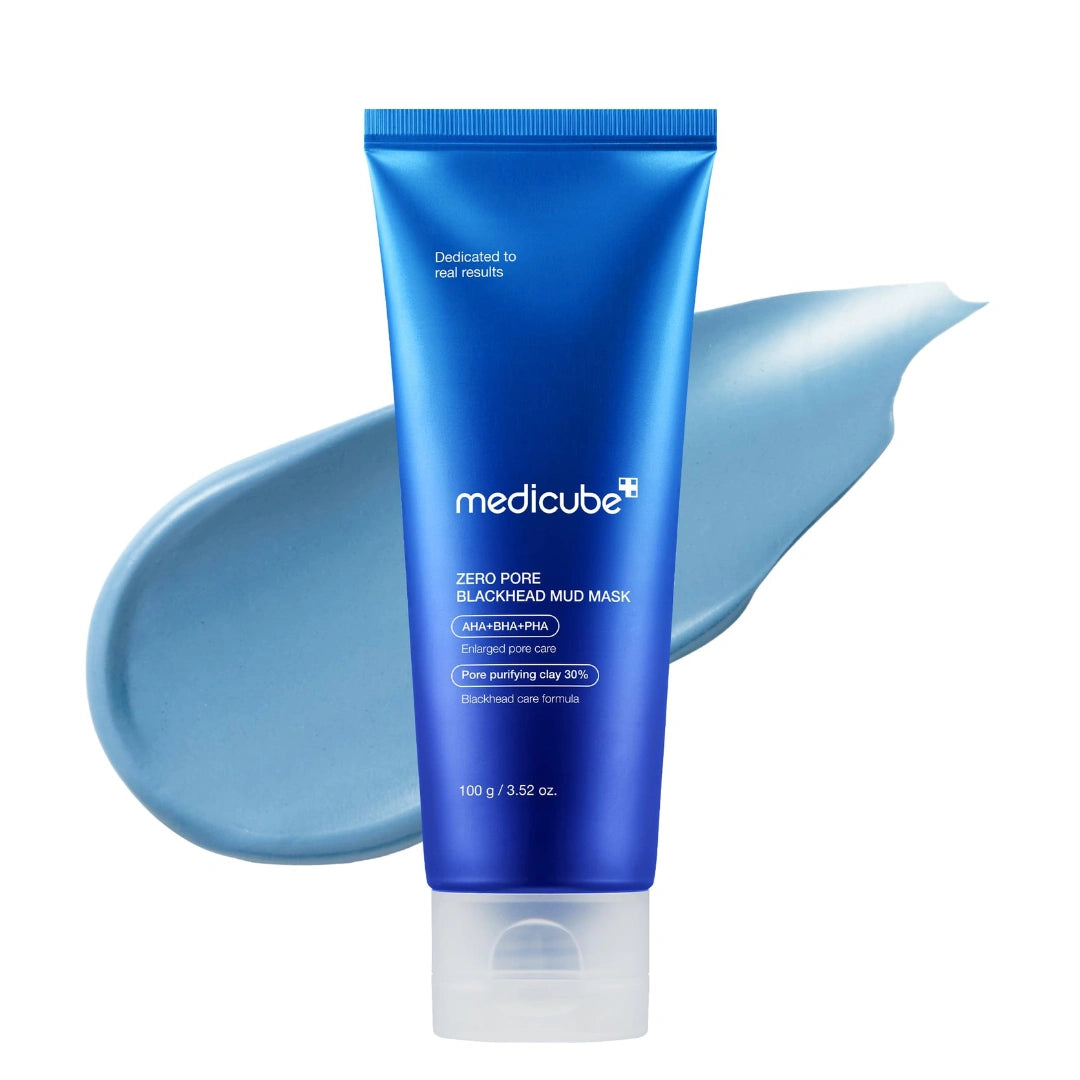
Clay masks contain types of clay that are used to help absorb oil and impurities from the skin’s surface. That’s why they’re commonly included in skincare routines for oily and combination skin.
When should you choose them?
They may be suitable when your goal is to care for excess shine and oil, but choose a formula your skin can tolerate. Don’t leave the mask on longer than recommended or use it too frequently.
If you’re specifically interested in blackheads and pores, you may find Dar Beauty’s dedicated article on clay masks for blackheads and pores helpful, rather than repeating details about this issue in this general guide.
3. Cream Masks
Cream masks have a rich or smooth texture and may contain hydrating and soothing ingredients, depending on the formula. Unlike daily creams, some are designed to be worn as a mask for a set time and then removed.
When should you choose them?
It may suit you if you prefer a creamy texture or are looking for an extra skincare step for skin that feels dry or needs hydration. Check the product directions to find out whether it should be rinsed off after use or left on the skin.
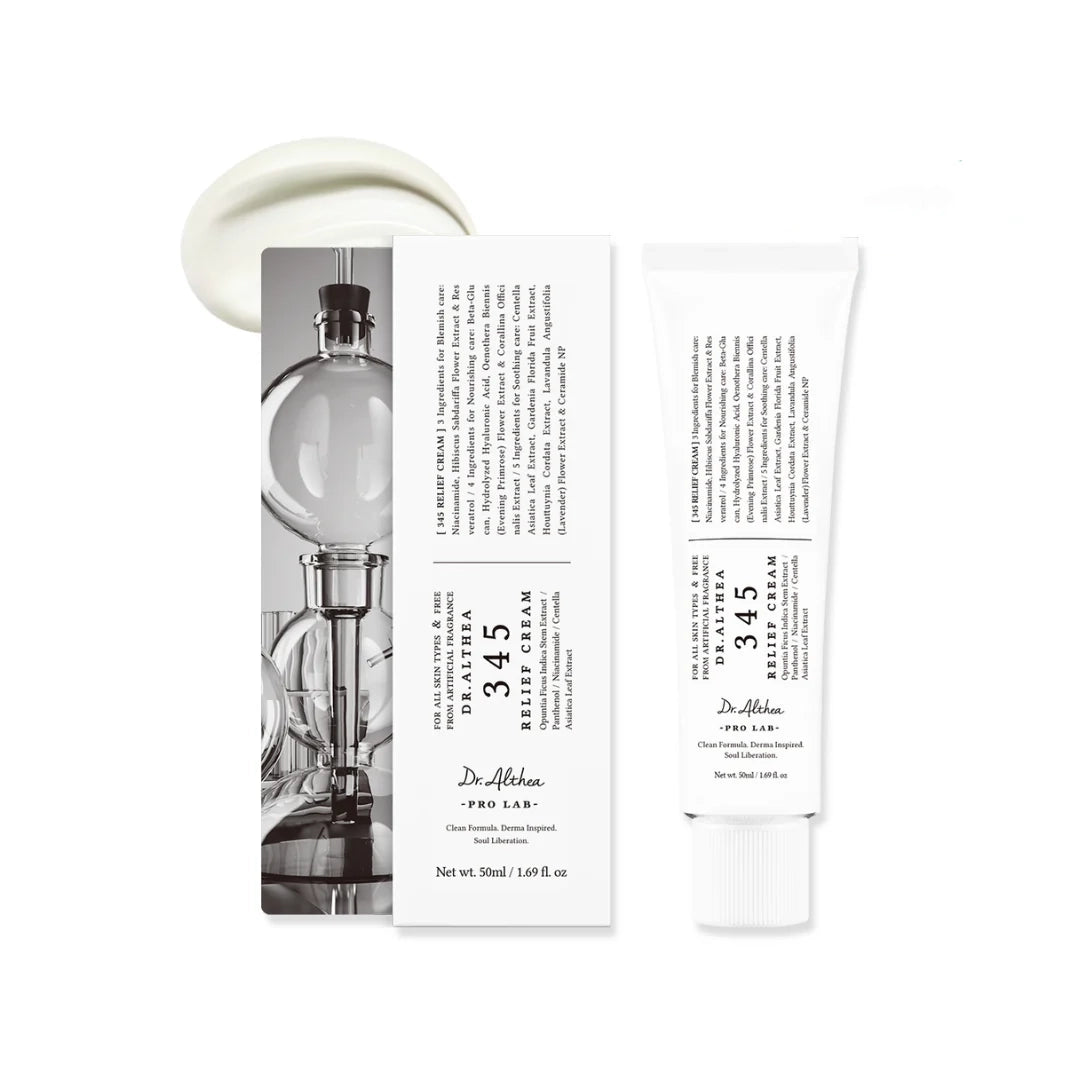
One of the available products is the Dr.Althea 345 Relief Cream Mask, which comes as ready-to-use cream masks.

4. Gel Masks
Gel masks have a light or jelly-like texture and may contain hydrating or soothing ingredients. How they are used varies by product: some are rinsed off after a set time, while others have a different formulation.
When should you choose them?
You may prefer it if you dislike a heavy, creamy texture or are looking for a gel-textured mask to add to your skincare routine.
You can learn about the AXIS-Y New Skin Resolution Gel Mask and review its description, ingredients, and directions for use before choosing.

5. Sleeping Masks
Sleeping masks are used as part of an evening routine. Some types are designed to stay on the skin overnight, while how to remove or use the product varies according to the manufacturer’s instructions.
When should you choose them?
They may be an option for those who want to add a hydrating or evening care step, especially if the mask’s formula suits their skin type and doesn’t conflict with their other products.
One option is the Medicube Collagen Night Wrapping Mask.

Also, the Abib Rice Probiotics Overnight Mask. Read the instructions for each product, as how to use it and how long to leave it on your skin may vary.
6. Exfoliating Masks
Exfoliating masks differ from hydrating or clay masks. Some formulas contain acids or ingredients that help remove dead skin cells from the skin’s surface and improve its texture.
When should you choose them?
Use them when exfoliation is needed, provided you choose a suitable formula that your skin can tolerate. Be cautious when combining them with other products containing exfoliating acids, retinol, or retinal, as using too many active ingredients may increase the risk of irritation.
Don’t use an exfoliating mask as a regular hydrating mask, and don’t use it more often than the product instructions specify.
How do you choose the right mask for your skin?
Skin type alone isn’t enough; it’s also important to identify your skin’s current needs and check the ingredients, texture, and directions for use.
| Skin type or concern | What can you look for? | What should you look for? |
|---|---|---|
| Dry skin | Moisturizing or cream masks with hydrating ingredients. | Avoid formulas that increase the feeling of tightness or dryness. |
| Oily skin | Suitable clay masks or lightweight formulas. | Excessive oil absorption may cause dryness and irritation. |
| Combination skin | Choose a mask based on the needs of each area. | Dry and oily areas may not need the same type of mask. |
| Sensitive skin | Simple formulas that the skin can tolerate and that are free of ingredients that usually irritate it. | Patch test the product first, and avoid strong exfoliating masks if your skin is irritated. |
| Dull skin | Masks with ingredients for brightening and hydration. | Don’t rely on the mask alone to treat hyperpigmentation. |
If your skin is sensitive or you experience frequent redness or irritation, it’s best to avoid trying several new masks at once. You can read the article Skin Barrier Damage: Signs, Causes, and Care to understand the importance of reducing irritants and maintaining a gentle routine.
How often should you use face masks?
There’s no one rule that works for every mask. How often to use one depends on the product type, formula, instructions, and how well your skin tolerates it.
- Hydrating masks: Follow the frequency indicated on the packaging and consider how your skin responds.
- Clay masks: Don’t use them too often, especially if you notice dryness or tightness after applying them.
- Exfoliating masks: Follow the product instructions and avoid combining them with other exfoliants in the same routine without appropriate guidance.
- Overnight masks: Use them as often and in the way specified by the manufacturer.
If you notice redness, burning, itching, or unusual irritation, remove the mask if it’s still on your skin and stop using it. Don’t try to make up for it by using other products repeatedly.
What’s the right way to use a face mask?
Application methods vary depending on the type of mask, but you can follow these general steps, always giving priority to the product instructions:
- Cleanse your skin: Start with a clean face and use a gentle cleanser that suits your skin.
- Read the instructions: Check how long to use the mask and whether it needs to be rinsed off or left on your skin.
- Apply the mask: Spread or apply it as directed, avoiding the eyes and lips if the instructions say to do so.
- Follow the time limit: Don’t leave the mask on longer, thinking that this will make it more effective.
- Remove the mask when needed: Rinse it off or gently remove it according to the product instructions.
- Continue your routine: Use a suitable moisturizer and sunscreen in the morning.
Common mistakes when using masks
Some habits may make your skin less comfortable or increase the risk of irritation. Common examples include:
- Choosing a mask just because it’s popular without checking its ingredients.
- Leaving the mask on longer than directed.
- Using clay or exfoliating masks too often.
- Using an exfoliating mask with other active products without considering the risk of irritation.
- Using a new product on irritated or damaged skin.
- Skipping a patch test when trying a new formula, especially if you have sensitive skin.
- Treating a mask as a substitute for moisturizer, sunscreen, or your basic routine.
How do you add a mask to your skincare routine?
You can add a mask as an extra step, depending on its type, without needing to change your entire routine. The general order is usually as follows:
- Cleanse your skin.
- Use the mask according to its instructions.
- Continue with suitable skincare steps, such as serum or moisturizer, if they’re compatible with the mask.
- Use sunscreen in the morning.
Leave-on overnight masks are applied at the end of your routine or according to the order specified by the manufacturer. Don’t combine an exfoliating mask with other exfoliants or retinoids in the same routine if this could irritate your skin.
You can explore the available options in Dar Beauty’s Masks and Peels collection and review each product’s details before adding it to your routine.
Frequently asked questions about face masks
Are face masks necessary in a skincare routine?
No, face masks are an optional step, not an essential part of everyone’s routine. They can provide supplementary care based on your skin’s needs, but cleansing, moisturizing, and sun protection remain the foundations of a routine.
What’s the difference between a sheet mask and a clay mask?
A sheet mask is saturated with a liquid that often contains moisturizing or soothing ingredients, while a clay mask contains types of clay used to help absorb oil from the skin’s surface. So the choice of each type depends on your needs.
Can I use a face mask every day?
This depends on the type of mask, its instructions, and its formula. Don’t assume that all masks are suitable for daily use, especially clay and exfoliating masks.
Are masks suitable for sensitive skin?
Some masks may suit sensitive skin if their formulas are appropriate, but this cannot be guaranteed for every product. Check the ingredients, patch test the product, and avoid using it if your skin is actively irritated.
Should I use a mask before or after moisturizer?
For many rinse-off masks, apply the mask after cleansing your skin, then follow up with moisturizer. Overnight masks and leave-on masks may need to be applied in a different order, so follow the product instructions.
Can I use a mask with retinol or exfoliating acids?
This depends on the type of mask and its ingredients. It’s best to avoid combining an exfoliating mask with retinol or acids in the same routine if doing so could increase irritation, especially for sensitive skin or skin that is not accustomed to these ingredients.
Do masks remove hyperpigmentation or acne?
Face masks should not be considered a standalone treatment for hyperpigmentation or acne. Some products may contain ingredients that care for the appearance of the skin, but addressing these concerns requires a suitable routine and may call for a professional assessment, depending on the situation.
In summary: Choose a face mask based on your skin’s needs
Face masks come in sheet, clay, cream, gel, overnight, and exfoliating varieties, and no single type suits everyone. The best choice depends on your skin’s needs, the mask’s ingredients and how to use it, and how well your skin tolerates its formula.
Start by identifying what your skin needs, then choose a suitable mask and use it according to its instructions without overdoing it. Remember that a mask is a supplementary step, not a substitute for daily skincare essentials.
You can visit Dar Beauty to explore skincare products, or browse the Masks and Peels collection to compare the available mask types and choose one that suits your skin’s needs.
```