Cleanse & Exfoliate
 Serum & Treatments
 Moisturizing & Creams
 Masks & Peels
 Suncare

 Shampoo & Conditioner
 Hair Masks
 Scalp Care
 Hair Oil
 Hair Creams
 Hair Serums
 Gels & Waxes
 Heat Protection

 Body Wash
 Body Lotion
 Body Oil
 Body Scrub
 Hand & Foot Care
 Intimate Care
 Oral Care
 Deodorants

 Face
 Lips
 Eyes
 Makeup Tools
 Foundation
 Blush
 Mascara
 Lipstick

 Electrical
 Bath Loofahs
 Face Brushes
 Hair Brushes & Combs

 Skin Care Sets
 Hair Care Sets

 Korean Skin Care
 Korean Makeup
 Korean Hair Care
Dry facial skin: causes and treatment methods
You may notice that your facial skin has become tight or rough, or that some areas have started to flake, especially after washing your face or using skincare products. This can happen even when you use moisturizer regularly. However, dry facial skin is not always related solely to a lack of hydration; it may result from environmental factors or daily habits that affect the skin's natural barrier.
In this article from Dar Beauty, you will learn about the causes of facial dryness, the difference between dry skin and dehydrated skin, and the steps that can help you care for your skin and choose suitable products without complicating your routine.
Quick summary
Managing facial dryness helps reduce feelings of tightness and flaking by using a gentle cleanser, a suitable moisturizer, and lukewarm water, while avoiding excessive exfoliation and irritating products. If the dryness persists or is accompanied by noticeable inflammation, you may need a medical evaluation.
Table of contents
- What is dry facial skin, and what are its main signs?
- What is the difference between dry skin and dehydrated skin?
- What causes facial dryness?
- Why does your face become dry despite using moisturizer?
- How do you deal with dry facial skin?
- How do you choose suitable skincare products?
- Habits that increase facial dryness and flaking
- When should you consult a dermatologist?
- Frequently asked questions about facial dryness
What is dry facial skin, and what are its main signs?
Dry skin is a condition in which the outer layer of the skin has a reduced ability to retain moisture and the natural oils that help protect it. On the face, it may appear as tightness, roughness, or small flakes, and the skin may become more sensitive to certain products.
Common signs of facial dryness include:
- A feeling of tightness, especially after washing the face.
- Flaking or rough areas appearing on the skin's surface.
- A less smooth texture than usual.
- Redness or mild itching in some cases.
- Increased discomfort when using products that the skin previously tolerated.
These signs do not necessarily mean that dryness is the only cause; some of its symptoms may resemble irritation or other skin conditions. It is therefore important to note when the symptoms appear and which products you use.
What is the difference between dry skin and dehydrated skin?
Although the two terms are sometimes used interchangeably, dry skin and dehydrated skin are not exactly the same condition.
Dry skin
Dry skin is a skin type and is usually associated with reduced production of natural oils that help minimize moisture loss. It may need a richer moisturizer that helps support the skin's protective barrier.
Dehydrated skin
Dryness here refers to a lack of water in the outer layer of the skin, and it can occur temporarily in different skin types, including oily and combination skin.
Therefore, if your face looks oily but feels tight or develops flaking, do not automatically assume that you only need products designed for dry skin; you may need to review your routine and identify the factor causing the problem.
What causes facial dryness?
Dry facial skin may result from one factor or a combination of factors. Identifying the possible cause helps you choose the most suitable skincare steps.
1. Excessive use of hot water
Washing your face with hot water or for long periods may remove some of the natural oils on the skin's surface, increasing the feeling of tightness and dryness. It is better to use lukewarm water and pat your face dry with a soft towel instead of rubbing it.
2. Harsh or unsuitable cleansers
Some cleansers may cause a tight feeling after washing, especially if they are harsh on the skin or used too often. Choose a gentle cleanser suited to your skin's needs, and avoid products that leave it noticeably dry or irritated.
3. Overusing exfoliants and active ingredients
Using exfoliants frequently, or combining several active ingredients without considering your skin's tolerance, may increase irritation and flaking. This also applies to some products containing exfoliating acids or retinoids when overused.
If you use salicylic acid, review how you use it and how often you apply it. You can read the article What Is Salicylic Acid? Its Benefits and How to Use It for the Skin to understand how to incorporate it into your skincare routine appropriately.
4. Weather and environmental factors
Dry air, constant air conditioning, or exposure to wind may increase moisture loss for some people. In hot weather, the skin may also be affected by frequent washing, sun exposure, or the use of unsuitable products.
5. A weakened skin barrier
The skin's protective barrier helps limit water loss and protect the skin from irritants. When it is compromised by excessive cleansing, exfoliation, or irritation, the skin may become rougher and feel tighter.
6. Certain skin conditions
Persistent dryness may be associated with conditions such as eczema or contact dermatitis, especially when accompanied by severe itching, recurrent redness, or cracking. In these cases, changing your moisturizer alone may not always be enough, and you may need a medical evaluation.
Why does your face become dry despite using moisturizer?
Using moisturizer is an important step, but it does not guarantee that dryness will disappear if its underlying cause persists. You may notice that your skin still feels tight or flaky for the following reasons:
- The moisturizer is not suitable for your skin's needs: Its texture may be lighter than what dry skin requires.
- Continued use of irritating products: Such as harsh cleansers or frequent exfoliants.
- Application method: Applying moisturizer after washing, while the skin is still slightly damp, may help reduce moisture loss.
- Another skin condition: Some conditions may not improve with moisturizing alone.
- Changing several products at once: This makes it difficult to determine which product is causing irritation or is unsuitable for your skin.
If you use active ingredients in your routine, do not automatically add more products when dryness appears. Start by reviewing how you use them, reduce potential irritants, and seek medical advice if symptoms persist.
How do you deal with dry facial skin?
Dealing with dryness does not always require a lengthy routine or a large number of products. In many cases, the best place to start is by simplifying your skincare and reducing factors that worsen dryness.
1. Use a gentle cleanser
Choose a cleanser that does not leave your skin feeling tight after washing, and use lukewarm water instead of hot water. Avoid scrubbing your face vigorously or cleansing repeatedly without need.
2. Apply moisturizer after washing your face
Pat your skin dry gently, then apply moisturizer while it is still slightly damp. This helps retain moisture, especially when using a formula suited to your skin’s needs.
3. Choose a formula that supports the skin barrier
Look for a moisturizer containing hydrating or soothing ingredients, such as glycerin and ceramides. Hyaluronic acid may help attract water to the outermost layer of the skin. Some emollient ingredients also help reduce moisture loss.
4. Temporarily reduce exfoliation if it increases irritation
If dryness began after introducing an exfoliant or a new active ingredient, it may be appropriate to temporarily stop the product causing it or reduce its use according to the product instructions or a specialist’s advice. Do not try to remove flakes by scrubbing, as this may increase skin irritation.
5. Use sunscreen during the day
A broad-spectrum sunscreen with SPF 30 or higher helps protect the skin from ultraviolet rays. Choose a formula that feels comfortable on your skin and reapply it according to the instructions, especially when staying outdoors.
6. Give your skin time to notice improvement
Avoid changing all your products in one day. Keep your routine simple, monitor your skin’s response, and introduce new products gradually. If redness, itching, or flaking worsens, stop using the suspected product and seek advice if needed.
How do you choose suitable skin care products for facial dryness?
Choosing a moisturizer is not based only on the product’s name or popularity; it also depends on the ingredients, texture, your skin’s needs, and its tolerance of the formula.
| Ingredient or product type | What should you look for? |
|---|---|
| Glycerin and hyaluronic acid | Ingredients that help attract and retain moisture in the outermost layer of the skin. |
| Ceramides | Ingredients that help support the skin’s protective barrier. |
| Emollient ingredients | Help improve the skin’s texture and reduce roughness. |
| Richer creams | May suit dry skin that needs more intensive hydration, depending on the skin’s tolerance of the formula. |
You can browse the skin care section at Dar Beauty to compare the available cleansers, moisturizers, and care products.
Options you can compare
Dr. Althea 147 Barrier Cream: A cream containing moisturizing ingredients, including glycerin, hyaluronic acid derivatives, and ceramides. You can review its formula if you are looking for a product that combines hydration with care for the skin barrier.
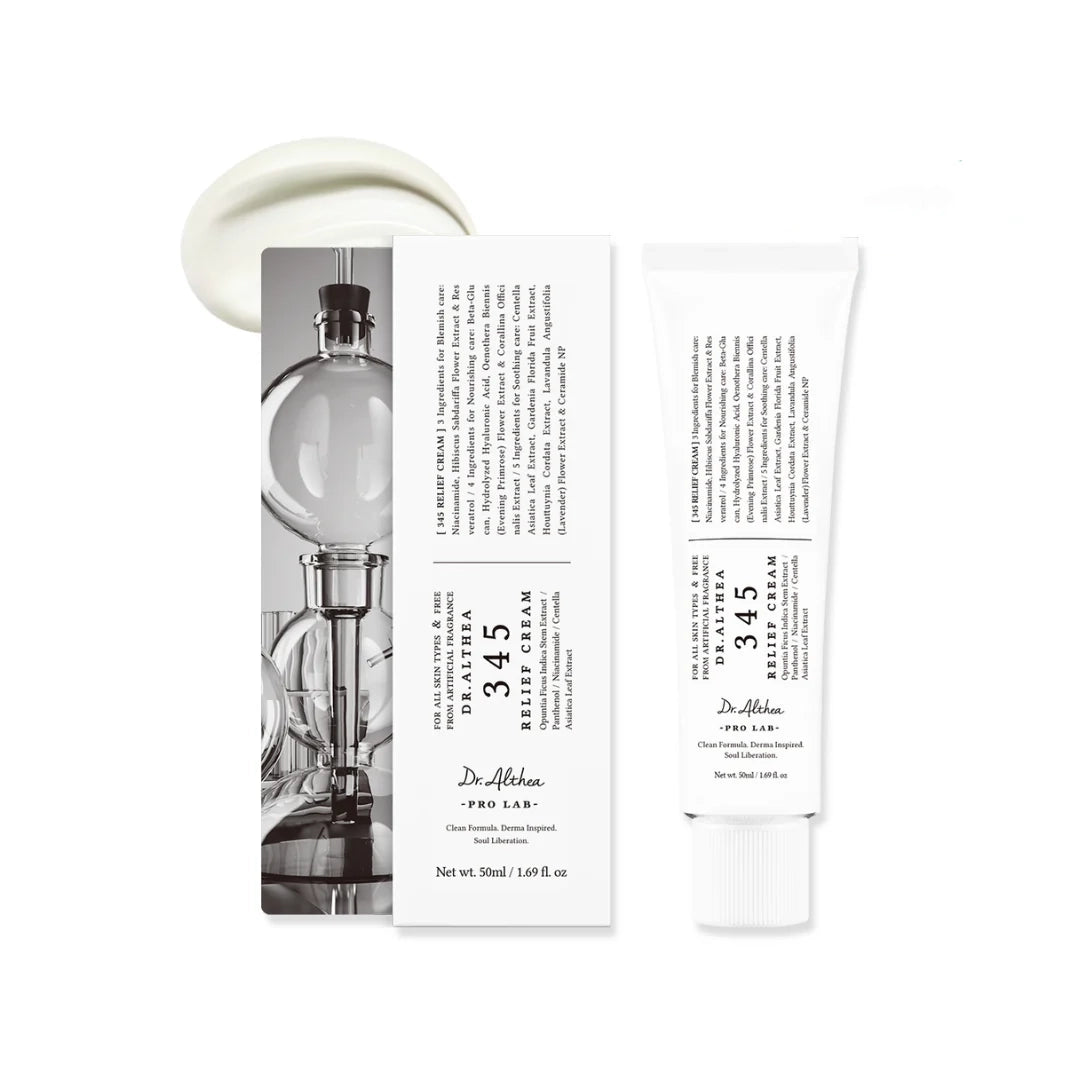
Dr. Althea 345 Relief Cream: You can view the details of this moisturizer at Dar Beauty and compare its texture and ingredients with your skin’s needs, especially if you prefer a gel-cream formula.
These products are comparison options and may not necessarily be suitable for everyone. Check the product page for the current specifications, choose based on your skin’s needs and tolerance, and stop using the product if significant irritation appears.
Habits that increase facial dryness and flaking
- Washing your face with hot water or scrubbing it vigorously.
- Using exfoliants frequently or combining several active ingredients without need.
- Choosing a cleanser that leaves the skin feeling tight after every wash.
- Removing flakes by hand or with exfoliating tools.
- Trying several new products at the same time.
- Ignoring persistent redness or itching and simply changing the moisturizer.
If you notice that the dryness coincides with using a particular product, review how you use it and its ingredients before adding other products. You can also read Dar Beauty’s article about How to get rid of blackheads? if you are looking for ways to deal with clogged pores without over-exfoliating the skin.
When should you consult a dermatologist?
Mild cases of dryness may improve after adjusting your skincare routine, but it is best to consult a dermatologist if:
- The dryness persisted or worsened despite using gentle skincare.
- Severe itching or persistent redness appeared.
- Painful cracks, bleeding, or discharge occurred.
- The irritation spread or affected sleep and daily activities.
- The symptoms began after using a new product and were severe or are worsening.
Some cases may require specific treatment depending on the cause, so do not use medicated creams or strong treatments on your own if the cause of the dryness is unclear.
Frequently asked questions about dry facial skin
Can oily skin become dry?
Yes. Skin can be oily while still experiencing dehydration or irritation caused by cleansers or exfoliation. Therefore, shine does not mean that the skin does not need moisturization.
Can washing your face too often cause dry skin?
Frequent washing or using a harsh cleanser may remove natural oils and increase the feeling of tightness. It depends on the type of cleanser, how often it is used, and the condition of the skin.
Does moisturizer help treat facial flaking?
A suitable moisturizer may help relieve dryness and flaking caused by insufficient moisture, but if the flaking is due to severe irritation or a skin condition, you may need to address the underlying cause.
Should you stop using exfoliants when your face is dry?
If dryness or irritation appears after using exfoliants, it may be appropriate to temporarily stop using the product causing it until the skin calms down, then review how it is used. If symptoms are severe or persistent, consult a dermatologist.
How long does it take for facial dryness to improve?
The timeline varies depending on the cause, the severity of the dryness, and how suitable the skincare routine is. Mild dryness may improve after removing irritating factors and maintaining moisturization, while persistent or worsening symptoms require medical evaluation.
Summary
Addressing dry facial skin begins with understanding the possible cause, using a gentle cleanser and a suitable moisturizer, and reducing exfoliation and habits that increase irritation. You do not need to add many products; choosing suitable formulas and following a simple routine may be more beneficial than trying several solutions at once.
Explore Dar Beauty to compare skincare options, and choose products based on their ingredients and your skin’s needs, seeking medical advice if dryness persists or is accompanied by concerning symptoms.
```