Cleanse & Exfoliate
 Serum & Treatments
 Moisturizing & Creams
 Masks & Peels
 Suncare

 Shampoo & Conditioner
 Hair Masks
 Scalp Care
 Hair Oil
 Hair Creams
 Hair Serums
 Gels & Waxes
 Heat Protection

 Body Wash
 Body Lotion
 Body Oil
 Body Scrub
 Hand & Foot Care
 Intimate Care
 Oral Care
 Deodorants

 Face
Face
 Lips
Lips
 Eyes
Eyes
 Makeup Tools
 Foundation
 Blush
Blush
 Mascara
 Lipstick

 Electrical
 Bath Loofahs
 Face Brushes
 Hair Brushes & Combs

 Skin Care Sets
 Hair Care Sets

 Korean Skin Care
 Korean Makeup
 Korean Hair Care

If you use active ingredients such as salicylic acid or retinal, choosing a moisturizer is no less important than choosing the active ingredient itself. The right moisturizer helps maintain skin comfort and support its barrier, while over-exfoliating or combining several active ingredients without sufficient hydration may increase dryness and irritation.
But do you need a different moisturizer with salicylic acid from the one you use with retinal? And is a lightweight moisturizer or a richer formulation right for you? In this guide from Dar Beauty, we will explain how to choose the right moisturizer when using salicylic acid and retinal, what to look for in the formulation, and how to coordinate the moisturizer with the rest of your routine.
Table of contents
- Why does skin need moisturizer when using active ingredients?
- How do you choose the right moisturizer with salicylic acid?
- How do you choose the right moisturizer to use with retinal?
- What about niacinamide and other active ingredients?
- What ingredients should you look for in a moisturizer?
- Can you use moisturizer with more than one active ingredient?
- How do you coordinate moisturizer with salicylic acid and retinal?
- Common mistakes when using moisturizer with active ingredients
- Products from Dar Beauty that may suit your routine
- Frequently asked questions
- Conclusion
Why does skin need moisturizer when using active ingredients?
Active ingredients such as salicylic acid and retinal can be useful for different goals, but using them does not mean that your skin does not need hydration. On the contrary, maintaining a balanced routine helps you use active ingredients more comfortably and consistently.
Salicylic acid, for example, helps exfoliate the skin and address the buildup of oil and dead skin cells inside the pores, and overusing it may cause dryness or irritation for some people. Therefore, Dar Beauty's salicylic acid usage guidelines recommend following it with a suitable moisturizer when needed. Read also: What is salicylic acid? Its benefits and how to use it for the skin
Retinal, on the other hand, is a vitamin A derivative, and introducing it into your routine may require gradual use, especially for beginners or those with sensitive skin. Having a suitable moisturizer can make the routine more comfortable, rather than trying to endure dryness and irritation in the hope of getting faster results.
So do not view moisturizer as a step separate from treatment; instead, consider it part of building a routine that your skin can tolerate and maintain.
How do you choose the right moisturizer with salicylic acid?
If you use salicylic acid because of excess oil, clogged pores, or blackheads, you may be inclined to choose strong products and dry out your skin more than necessary. However, oily skin needs hydration too, and the goal is not to remove all the oil from your skin.
If your skin is oily or prone to clogged pores
It is generally preferable to choose a soothing, relatively lightweight moisturizer if that texture suits your skin, while avoiding adding too many exfoliating ingredients to the same routine.

If salicylic acid is already part of your routine, the moisturizer itself does not necessarily need to be rich in exfoliants or potent active ingredients. In many cases, it is better for the moisturizer to serve a different purpose: hydrating and supporting skin comfort.
If you feel dry after using salicylic acid
Dryness, tightness, or noticeable flaking may be a sign that your routine needs to be scaled back, not that you need to add more active products.
Start by reviewing how often you use salicylic acid, the product's concentration, and whether you use other exfoliants with it. Then make moisturizing a consistent and comfortable step.
This is especially important if you use salicylic acid with another ingredient such as retinal; Dar Beauty's guidance explains that using salicylic acid and retinal at the same time may be harsh for some skin types, so separating them may be a more comfortable option. Learn more about how to use retinal and choose the right serum
How do you choose the right moisturizer to use with retinal?
Retinal is an active ingredient that requires gradual introduction, so the goal when choosing a moisturizer should not be to add another active ingredient to your routine, but to balance the use of retinal with maintaining skin comfort.

For dry or sensitive skin
If your skin tends to be dry or sensitive, you may need a more nourishing moisturizer than a very lightweight formula, especially on nights when you use retinal.
Gradually introducing retinal is also more important than quickly increasing how often you use it. Dar Beauty's current guidance for Celimax The Vita A Retinal Shot recommends starting with a low frequency and monitoring your skin's tolerance, while using moisturizer as needed. See Dar Beauty's retinal guide
Should I apply moisturizer before or after retinal?
There is no single rule that is necessary for everyone. In a simple routine, you can apply retinal according to the product's instructions and then use a suitable moisturizer afterward.
If your skin is sensitive or you are just starting to use retinal, a more cautious approach may be to apply a suitable layer of moisturizer before the active ingredient or use a gradual approach that suits your skin's tolerance, but always prioritize the product's instructions.
What do you not need with retinal?
You do not need to add a strong exfoliant or several active serums on the same night simply because retinal is part of your routine. Simplicity is an advantage here, not a shortcoming.
If you want to understand the difference between retinal and retinol and how to incorporate them into your routine, you can refer to Dar Beauty's guide to retinal for pores and wrinkles.
What about niacinamide and other active ingredients?
Not every active ingredient needs to be handled in the same way. Niacinamide, for example, can be incorporated into a routine containing salicylic acid and may be part of a balanced routine, while some exfoliating ingredients or vitamin A derivatives require more caution when combined.
If you use a niacinamide serum, that does not mean you also need a moisturizer containing several active ingredients. In many cases, it is enough for the serum to target your goal, while the moisturizer provides hydration and supports skin comfort.
One option available at Dar Beauty is Anua Niacinamide 10% + TXA 4% Dark Spot Correcting Serum, a lightweight serum designed to care for dark spots, acne marks, and uneven-looking skin.
You can also explore the serums and treatments collection at Dar Beauty to compare formulas instead of combining several active ingredients unnecessarily.
What ingredients should you look for in a moisturizer?
Instead of looking for a moisturizer with as many ingredients as possible, focus on what your skin actually needs. When using salicylic acid or retinal, it may be helpful to choose a formula that provides support rather than adding another treatment.
Moisturizing ingredients
Such as glycerin and hyaluronic acid, common ingredients in formulas intended to increase skin hydration and improve its comfort.
Barrier-supporting ingredients
Such as ceramides, which are included in many formulas designed to care for the skin barrier. This may be especially important if your skin feels dry or tight while using active ingredients.
Soothing ingredients
Ingredients associated with soothing the skin, such as panthenol or centella, can be beneficial in some formulas, especially when the moisturizer's goal is to support skin comfort rather than add another exfoliating treatment.
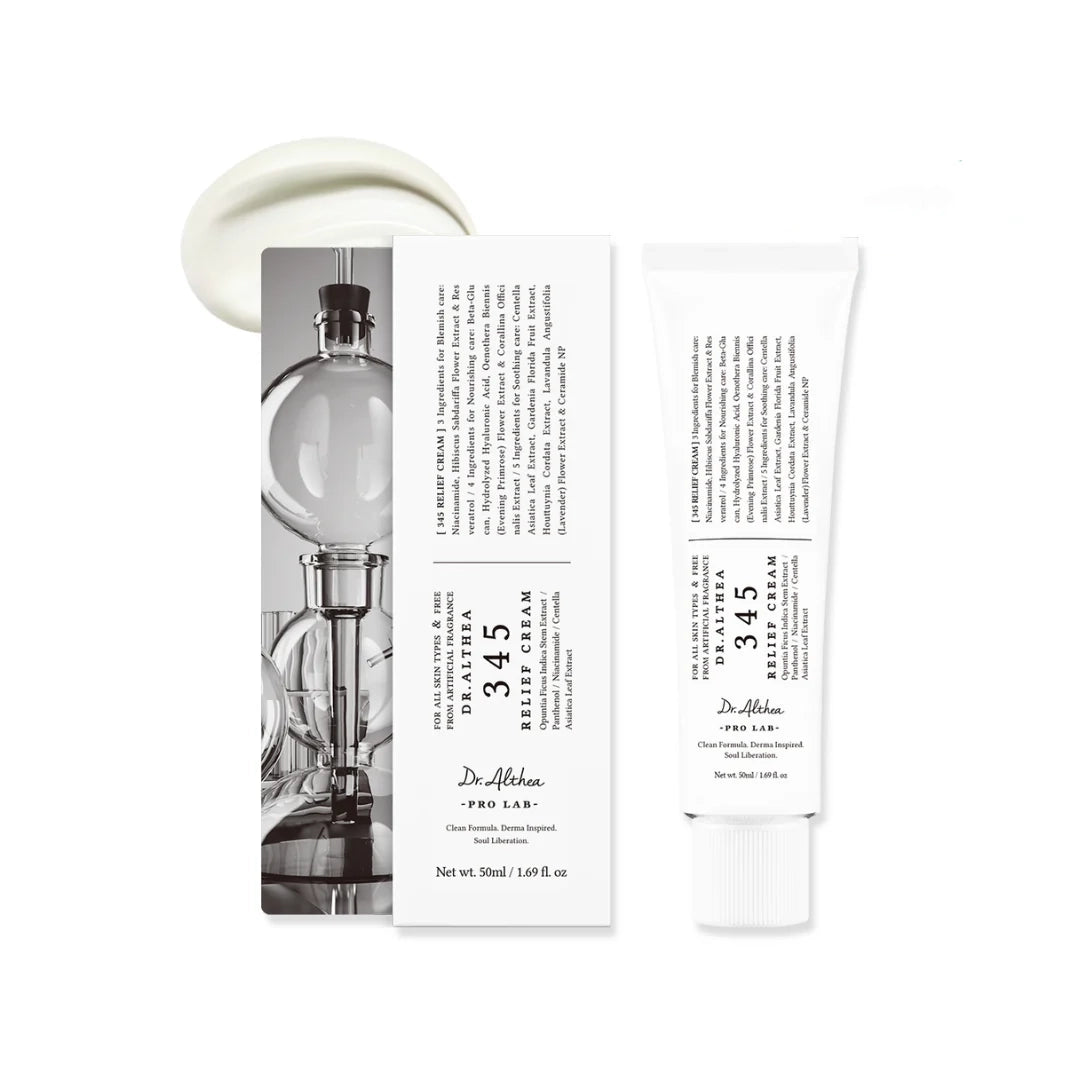
One example available at Dar Beauty is Dr. Althea 345 Relief Cream, a dedicated product article explaining its formula and ingredients, such as niacinamide, panthenol, hyaluronic acid, centella, and ceramide NP. You can refer to it for more details about the product.

Can you use moisturizer with more than one active ingredient?
Yes, a routine can contain more than one active ingredient, but that does not mean you have to use all the ingredients in the same routine or in the same session.
The best practical approach is to ask yourself first: What is the main goal of my routine? And can I tolerate these ingredients together?
| Ingredient | What should we focus on in a moisturizer? | Important note |
|---|---|---|
| Salicylic acid | Comfortable hydration and a formula that does not make the routine harsher | Avoid overusing exfoliants |
| Retinal | Moisturizing and supporting skin comfort | Start gradually, and do not combine several potent ingredients at the beginning |
| Niacinamide | It depends on your skin type and the rest of your routine | It can be incorporated into a balanced routine |
| Exfoliating acids | A comfortable formula without additional exfoliants when needed | Using more than one acid does not mean you will get better results |
How do you coordinate moisturizer with salicylic acid and retinal?
You do not need to use salicylic acid and retinal in the same routine. For many people, especially beginners or those with sensitive skin, distributing active ingredients across different days may be a simpler way to control irritation.
Example of a routine containing salicylic acid
- Gentle cleansing.
- Salicylic acid product according to the product instructions.
- Suitable moisturizer.
- In the morning: suitable sunscreen.
If salicylic acid causes noticeable dryness, do not automatically increase how often you use it. Review the product's concentration, frequency of use, and the other active ingredients in your routine.
Example of a routine containing retinal
- Gentle cleansing.
- Wait according to the product instructions and the appropriate method of use.
- Retinal in an appropriate amount.
- A suitable moisturizer as needed.
- In the morning: sunscreen.
If you are a beginner, start with a low frequency and monitor your skin's response instead of using retinal every night from the beginning.
Can salicylic acid and retinal be used in the same week?
They can be included in the same routine on different days, but combining them requires paying attention to your skin's tolerance. If your skin is sensitive or you have recently started using retinal, it is best to keep the routine simpler and separate the active ingredients rather than using them all on the same night.
Common mistakes when using moisturizer with active ingredients
1. Believing that oily skin does not need moisturizer
Oily skin may need hydration just like other skin types. The important thing is to choose the right texture and formula rather than eliminating moisturizer altogether.
2. Choosing a moisturizer that contains many active ingredients
If your routine already contains salicylic acid or retinal, there may be no need to add several exfoliants or other active ingredients to the moisturizer.
3. Using salicylic acid and retinal together from the start
Using more active ingredients does not necessarily mean faster results. If your skin is not accustomed to these ingredients, it is best to introduce them gradually and monitor its response.
4. Increasing the amount of moisturizer when irritation occurs while continuing to use strong ingredients
A moisturizer can help keep skin comfortable, but it cannot prevent problems caused by overusing an active ingredient. If irritation is noticeable or persistent, reassess your routine instead of trying to cover it with additional layers of moisturizer.
5. Forgetting sunscreen
A balanced routine does not end with moisturizer, especially in the morning. Sun protection is an essential step in a daily skincare routine, and you can choose the right sunscreen based on your skin type and needs.
Products from Dar Beauty that may suit your routine
Product selection should start with your skin's needs, not just the brand name. You can therefore compare the formulas in the moisturizers and creams collection at Dar Beauty and choose the texture and ingredients that suit your routine.

If you use retinal, the serums and treatments collection includes options such as Celimax The Vita A Retinal Shot, and you can compare products based on your skin's needs and tolerance.
If your goal is to incorporate niacinamide into your routine, you can learn more about Anua Niacinamide 10% + TXA 4% Serum, then decide whether it suits your goal and the other products you use.
If you are looking for a moisturizer that can be incorporated into a routine focused on hydration and skin comfort, you can also read the Dr. Althea 345 Relief Cream guide to understand its formula and uses before making a purchase decision.
Frequently asked questions
Should I use a moisturizer with salicylic acid?
It’s best to maintain hydration in a routine containing salicylic acid, especially if signs of dryness or tightness appear. The right moisturizer may help make the routine more comfortable, while overuse of salicylic acid should be reduced if clear signs of irritation appear.
Do I need a moisturizer with retinal?
Moisturizer is a useful step in a retinal routine, especially for dry or sensitive skin. Choose a formula that suits your skin type and does not necessarily add another set of active ingredients to the routine.
Should I apply moisturizer before or after retinal?
You can apply moisturizer after retinal as part of your usual routine, while people with sensitive skin may prefer to use moisturizer in a way that helps reduce the intensity of the routine, such as applying it before the active ingredient or using it according to a suitable gradual-introduction method. Follow the product instructions and monitor your skin’s tolerance.
Can niacinamide be used with salicylic acid?
Niacinamide can be incorporated into a routine containing salicylic acid, but the key is not to overload the routine with too many active ingredients. Start simply and observe how your skin responds.
Can salicylic acid and retinal be used on the same day?
Both can be part of a skincare routine, but using them at the same time may increase the risk of irritation for some people. Therefore, separating them, especially at first, may be a more cautious option.
What is the best moisturizer to use with active ingredients?
There is no single moisturizer that is best for everyone. The choice depends on your skin type, degree of dryness, preferred texture, and the other active ingredients in your routine. If you use salicylic acid or retinal, a moisturizer that supports hydration and skin comfort without adding strong exfoliation is often a practical choice.
Does oily skin need a moisturizer with salicylic acid?
Yes, oily skin may also need hydration. It’s best to choose a formula and texture that suit it rather than skip moisturizer, especially if salicylic acid causes dryness or tightness.
Conclusion
Choosing a moisturizer when using salicylic acid or retinal does not mean looking for the strongest formula possible, but rather for a moisturizer that complements your routine without making it more complicated.
With salicylic acid, focus on maintaining your skin’s comfort and avoiding over-exfoliation. With retinal, prioritize gradual introduction and consistency, and choose a moisturizer that helps you tolerate the routine instead of adding more strong active ingredients.
If you use niacinamide or other active ingredients, you don’t necessarily need to combine them all in one routine. Identify the main concern first, then choose products that address that goal in a simple, balanced way.
Ultimately, the best routine is not the one with the most products, but the one that suits your skin and that you can maintain without unnecessary irritation.
If you’re ready to choose your products, you can start at Dar Beauty, then compare moisturizers and creams and serums and treatments according to your skin’s needs and your current routine.